Patios Walkways Walls
The foundation of outdoor living. It connects your home to the landscape through structure, movement and intentional design.
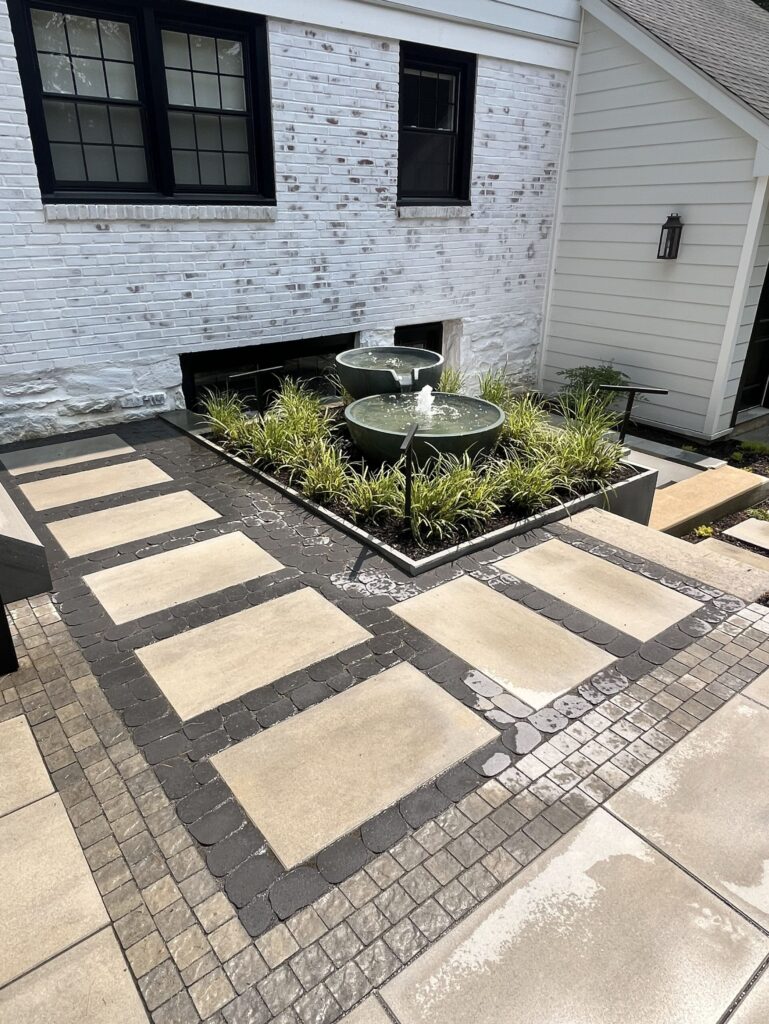
Structure. Movement. Elegance
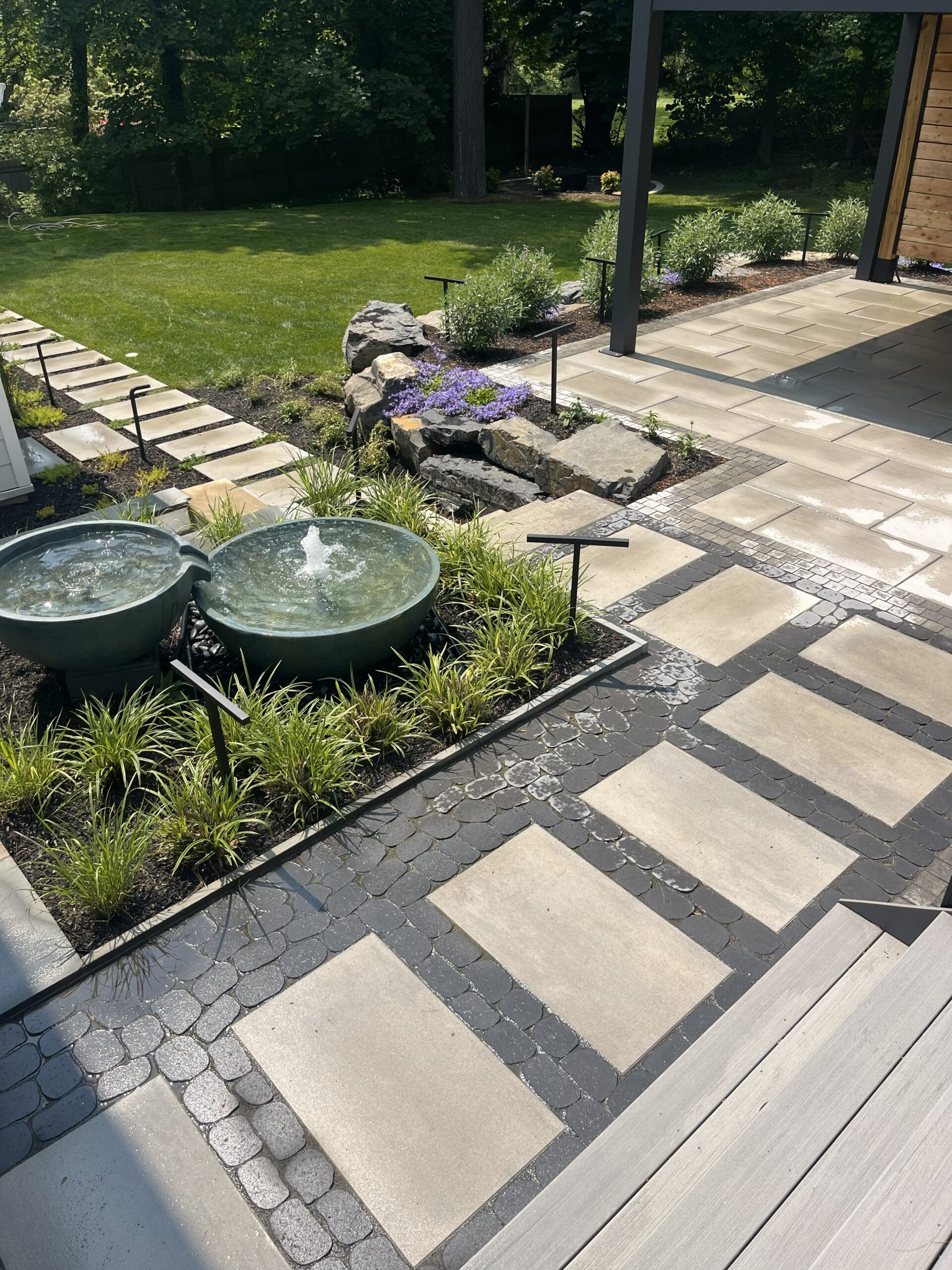
Hardscaping establishes the structure that defines how your outdoor space is used and experienced. It is crafted from materials such as pavers, brick, natural stone, wood and composite materials. Each one selected for its performance, character and ability to complement the architecture of your home. The material palette shapes not only the durability of the project, but its overall tone and presence within the landscape.
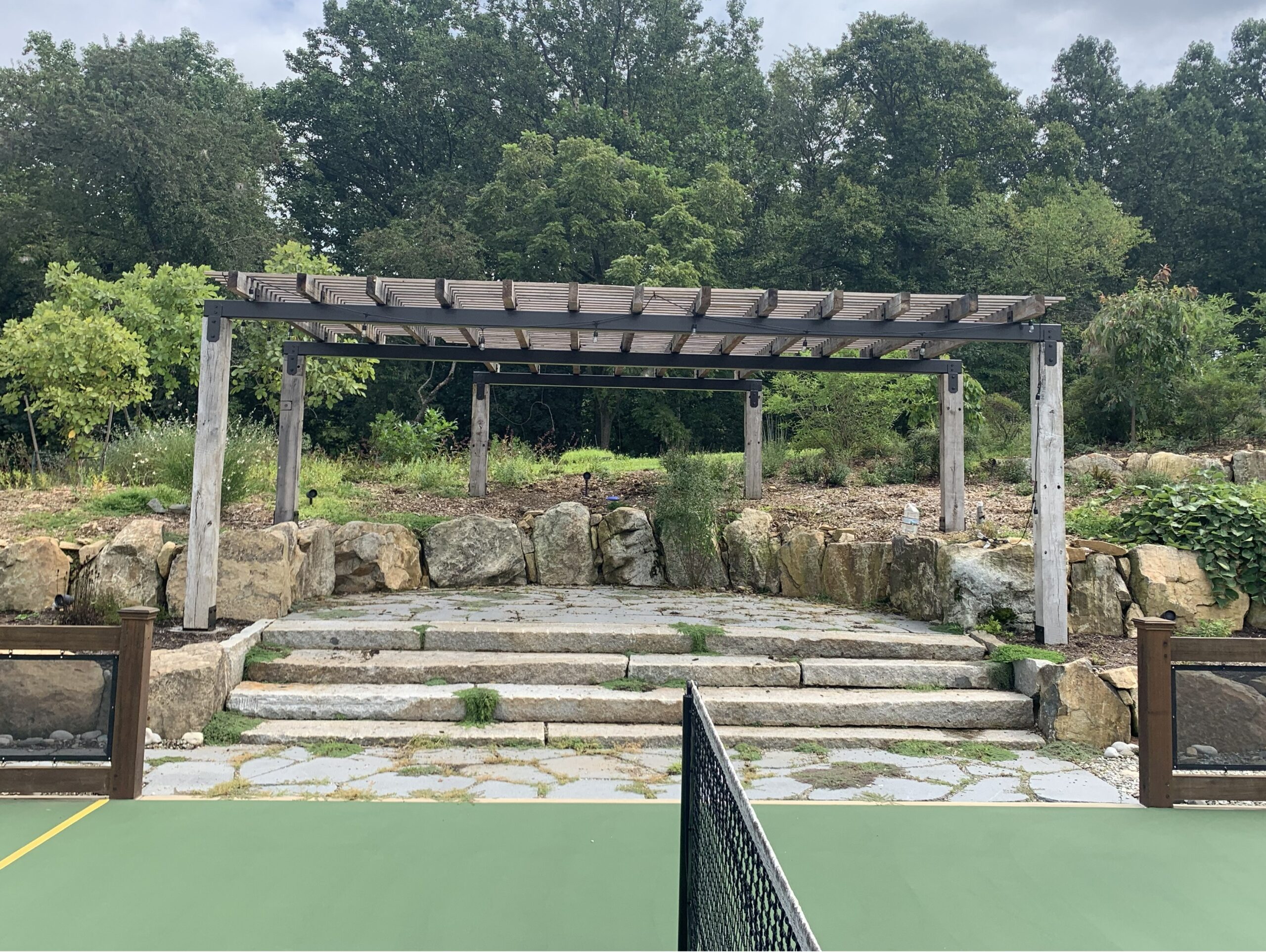
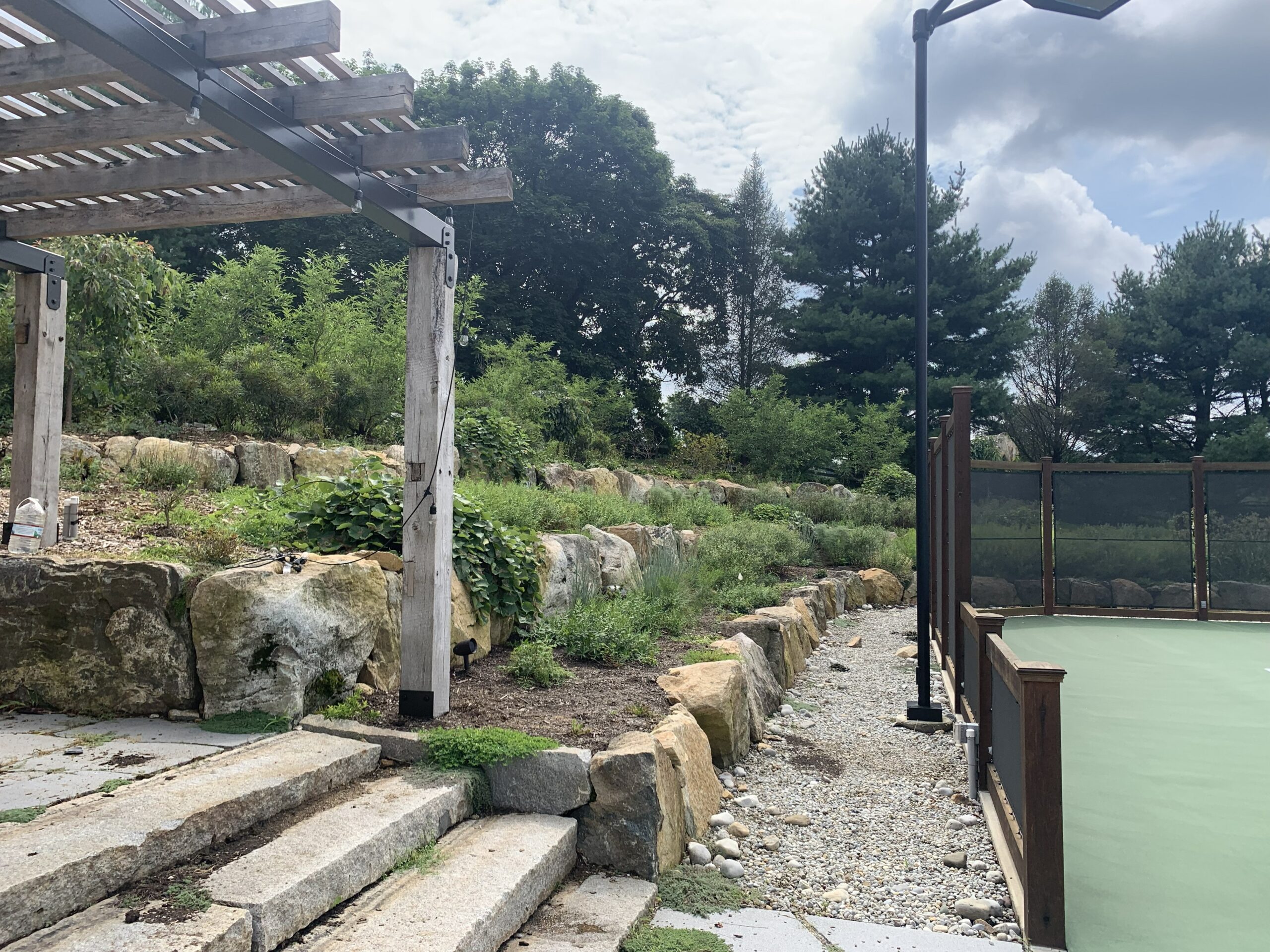
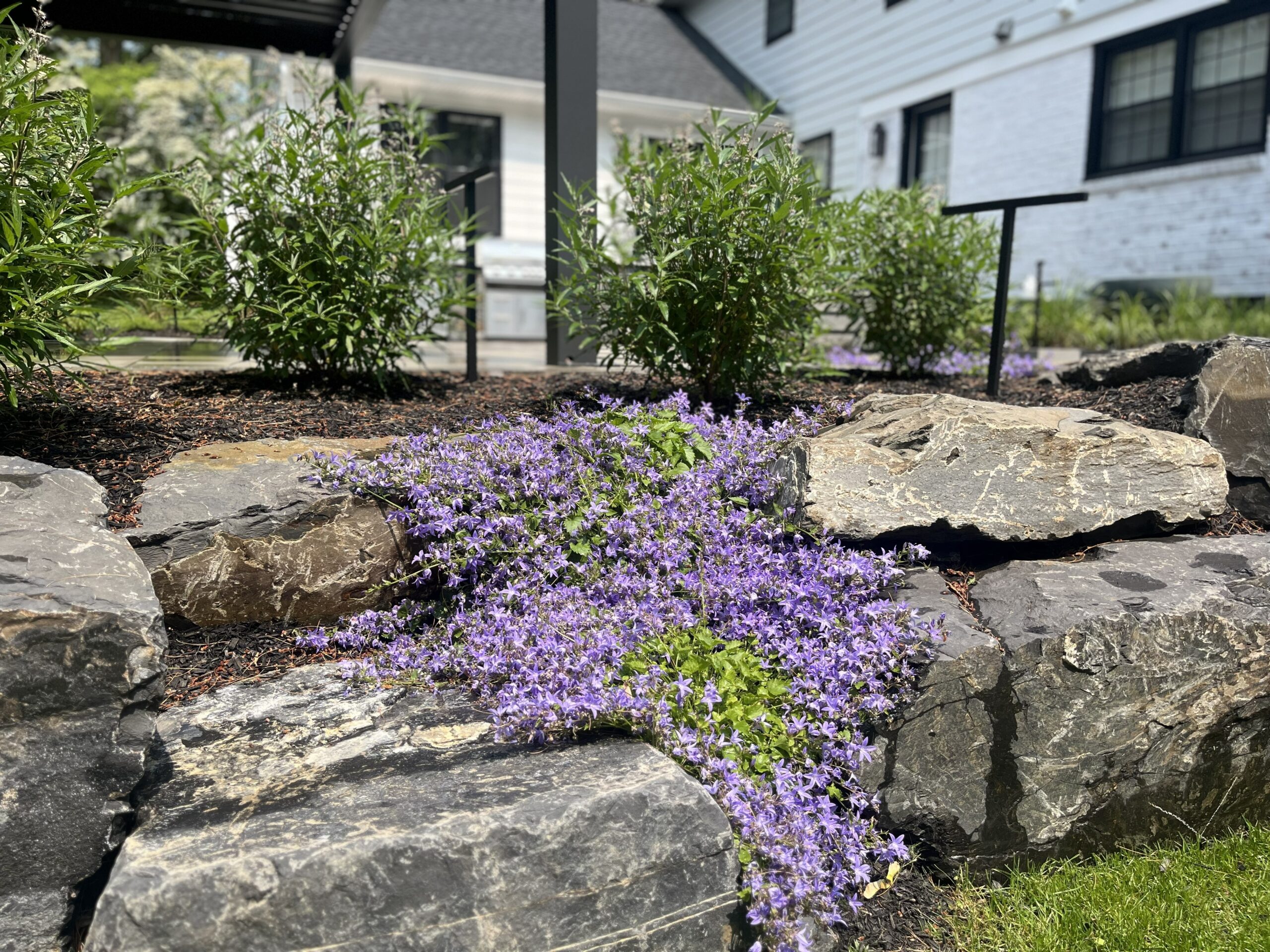
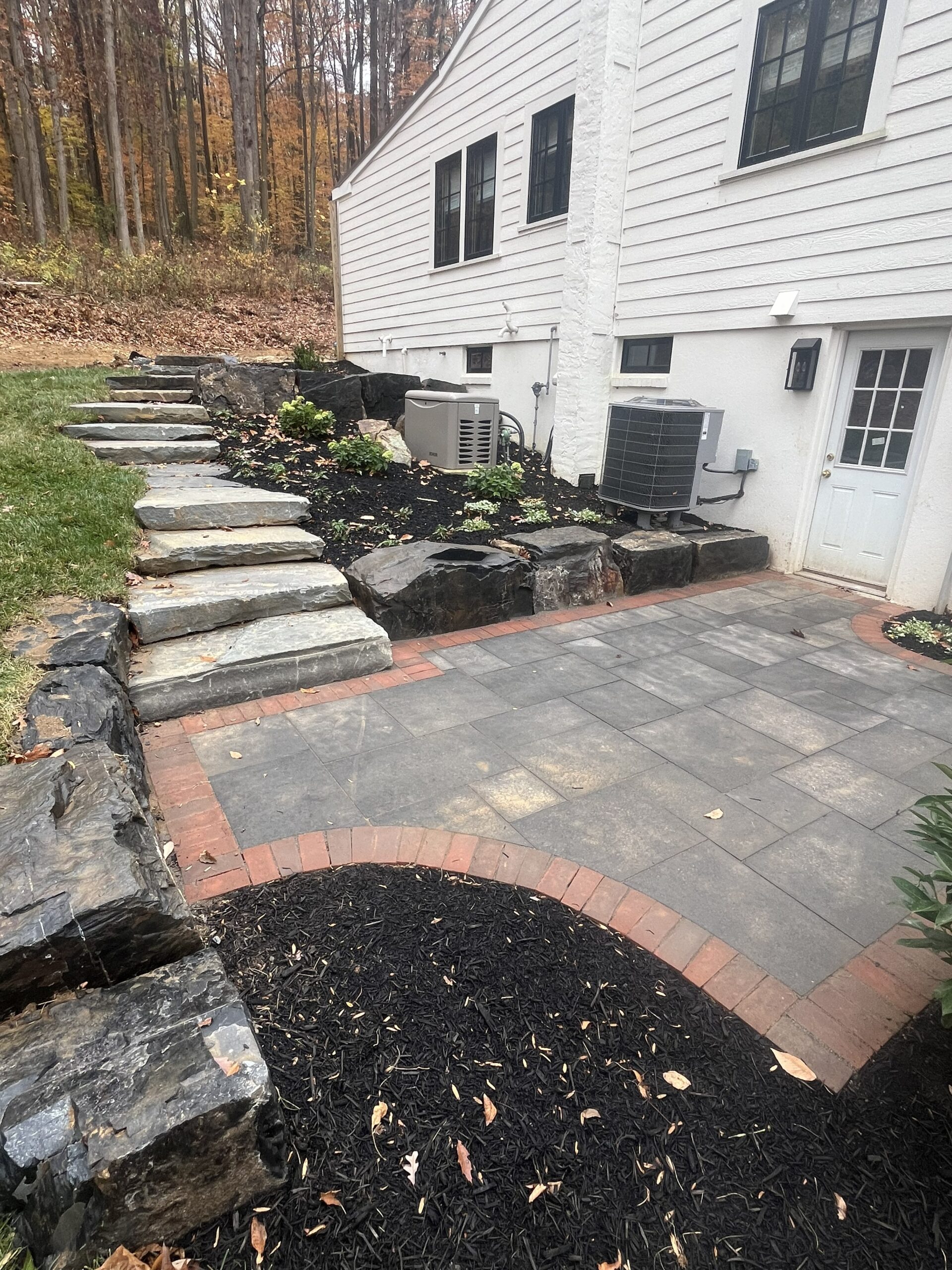
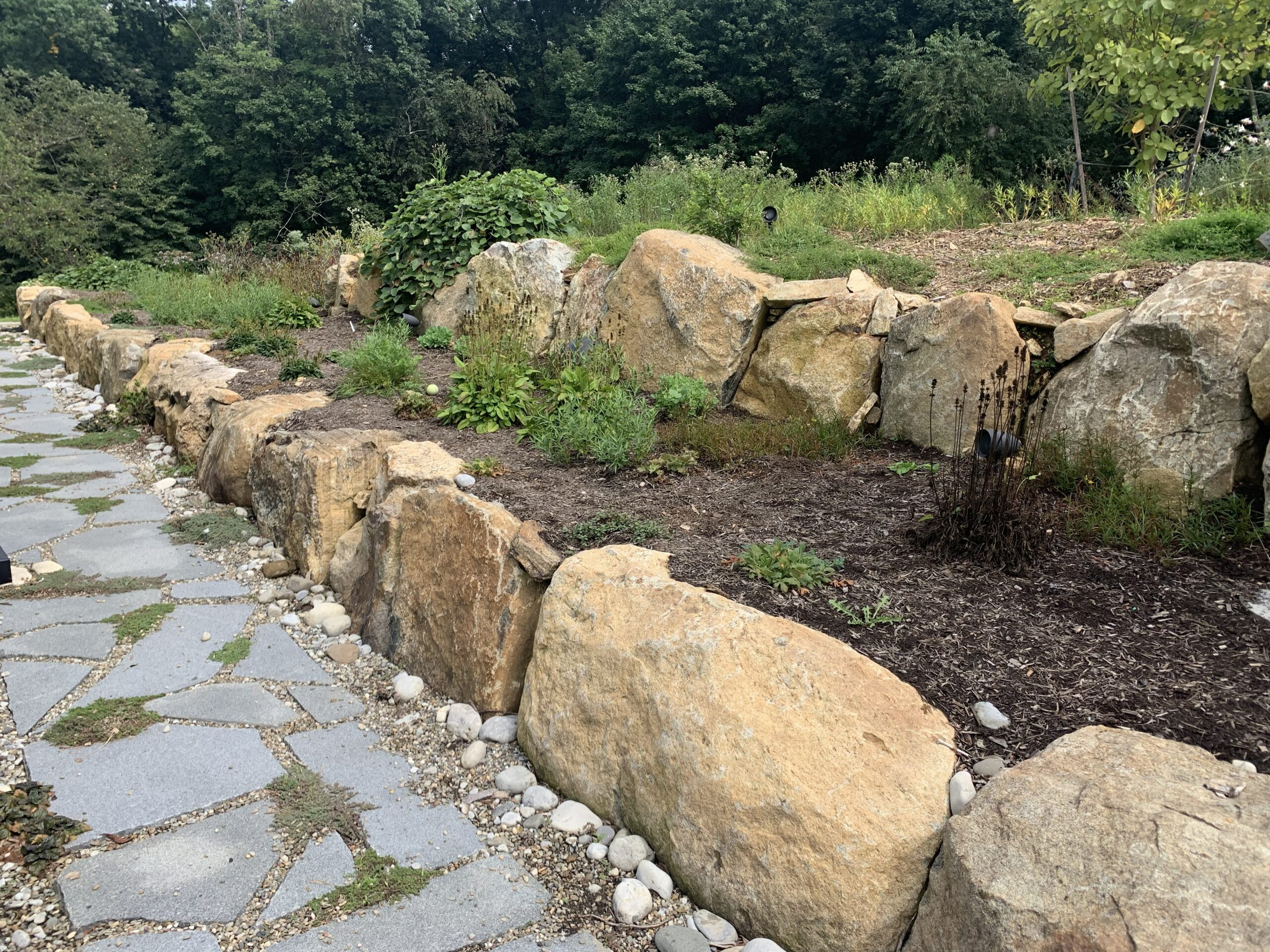
Retaining walls form stable and level terraces, while sitting walls introduce visual depth and create built-in seating areas. A thoughtfully designed patio creates a place to gather, entertain and unwind, while carefully placed walkways guide movement with clarity and intention. These elements do more than fill space – they shape it.
When scaled correctly and built with precision – patios, walkways and walls become seamless extensions of your home’s architecture. They anchor gardens, frame views and provide the durable foundation that supports everyday life outdoors. The result is not simply a surface – it is a setting.
Natural Stone
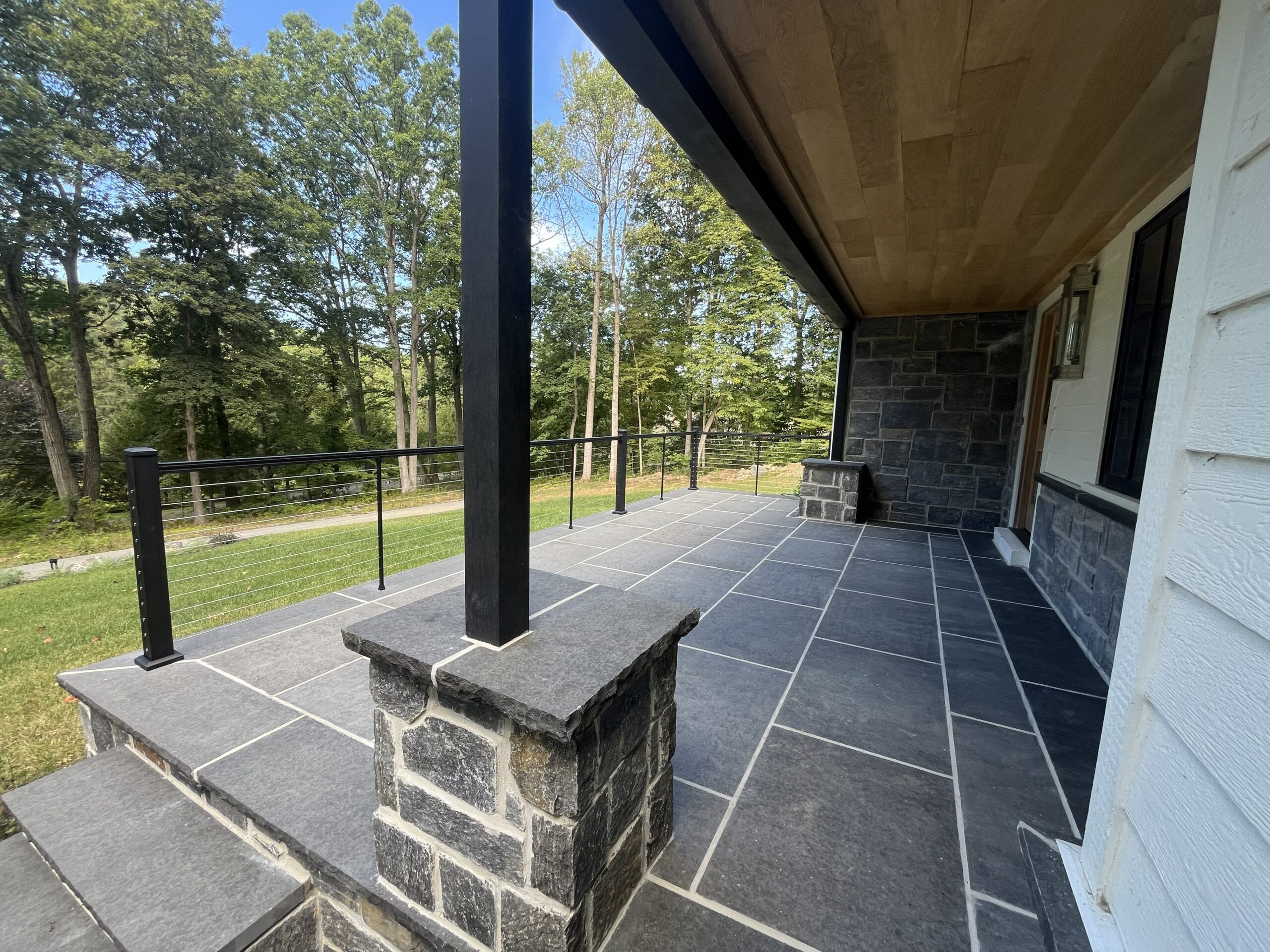
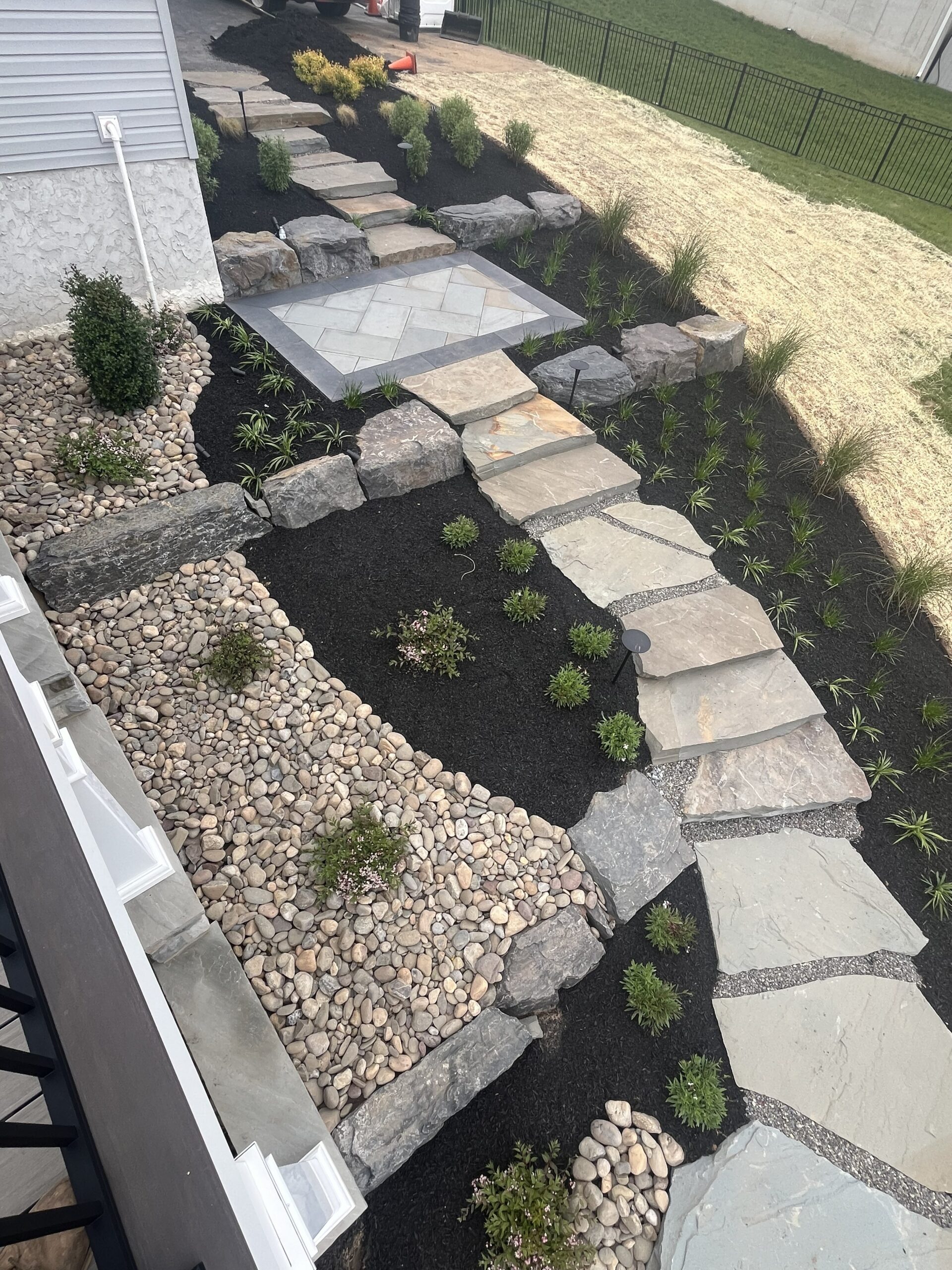
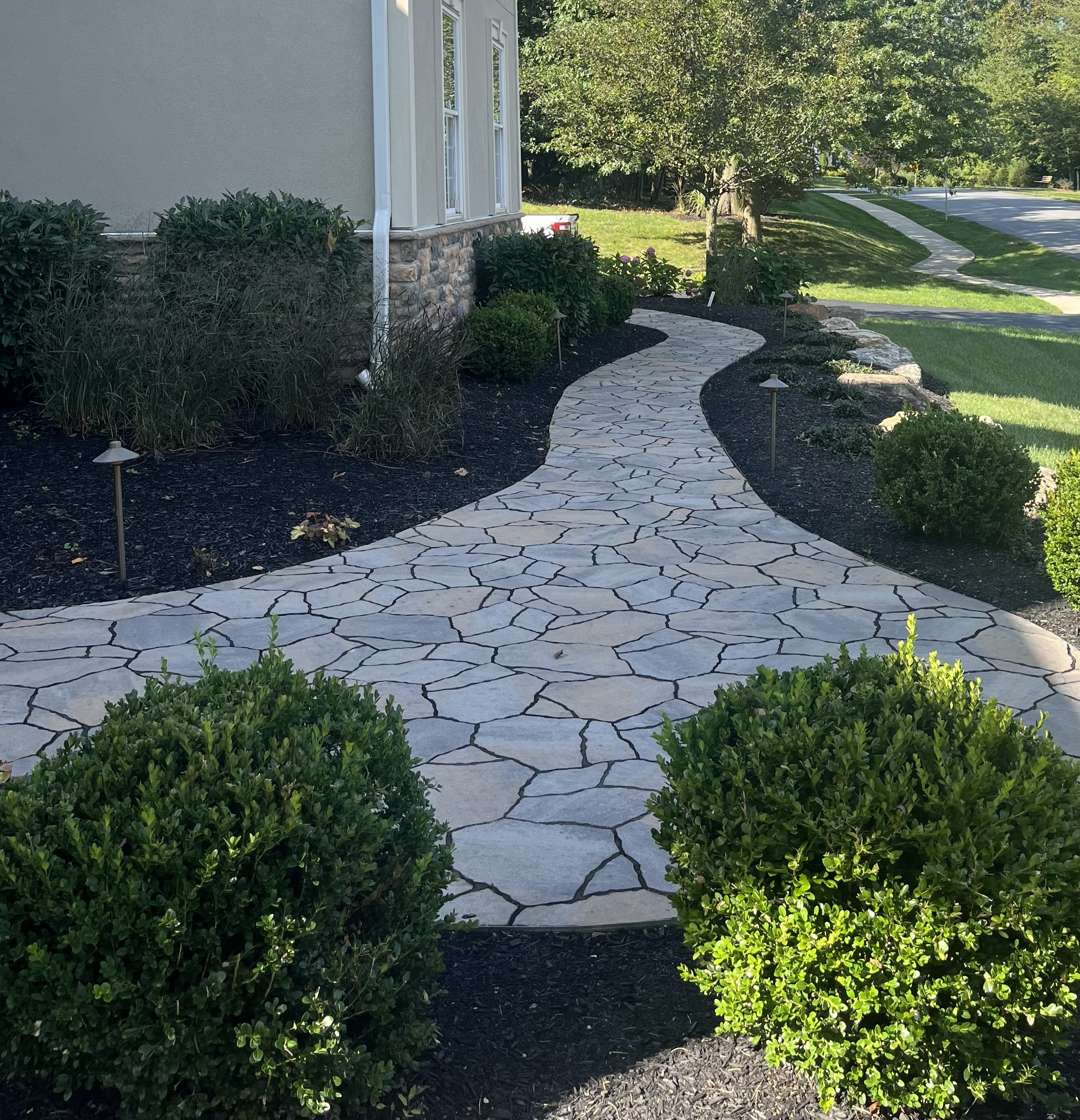
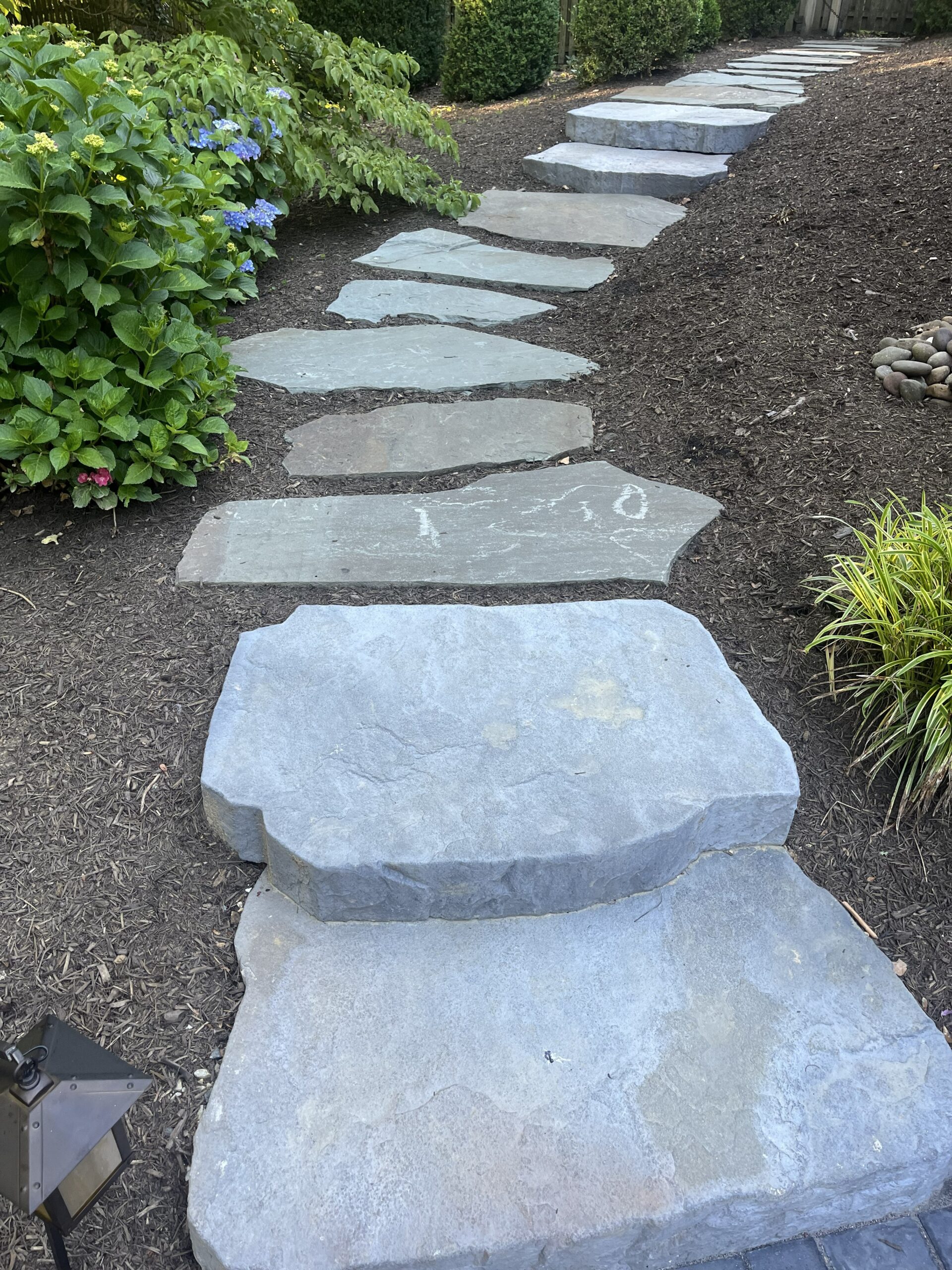
Natural stone brings depth, texture and timeless authenticity to a hardscape. It can be dry laid (with gravel) or wet laid (with mortar or concrete). Each piece carries subtle variation in tone and character, creating surfaces that feel grounded and organic. Whether cut for a more formal layout or installed with natural edges, stone patios and walkways integrate beautifully with architecture and landscape.
Pavers
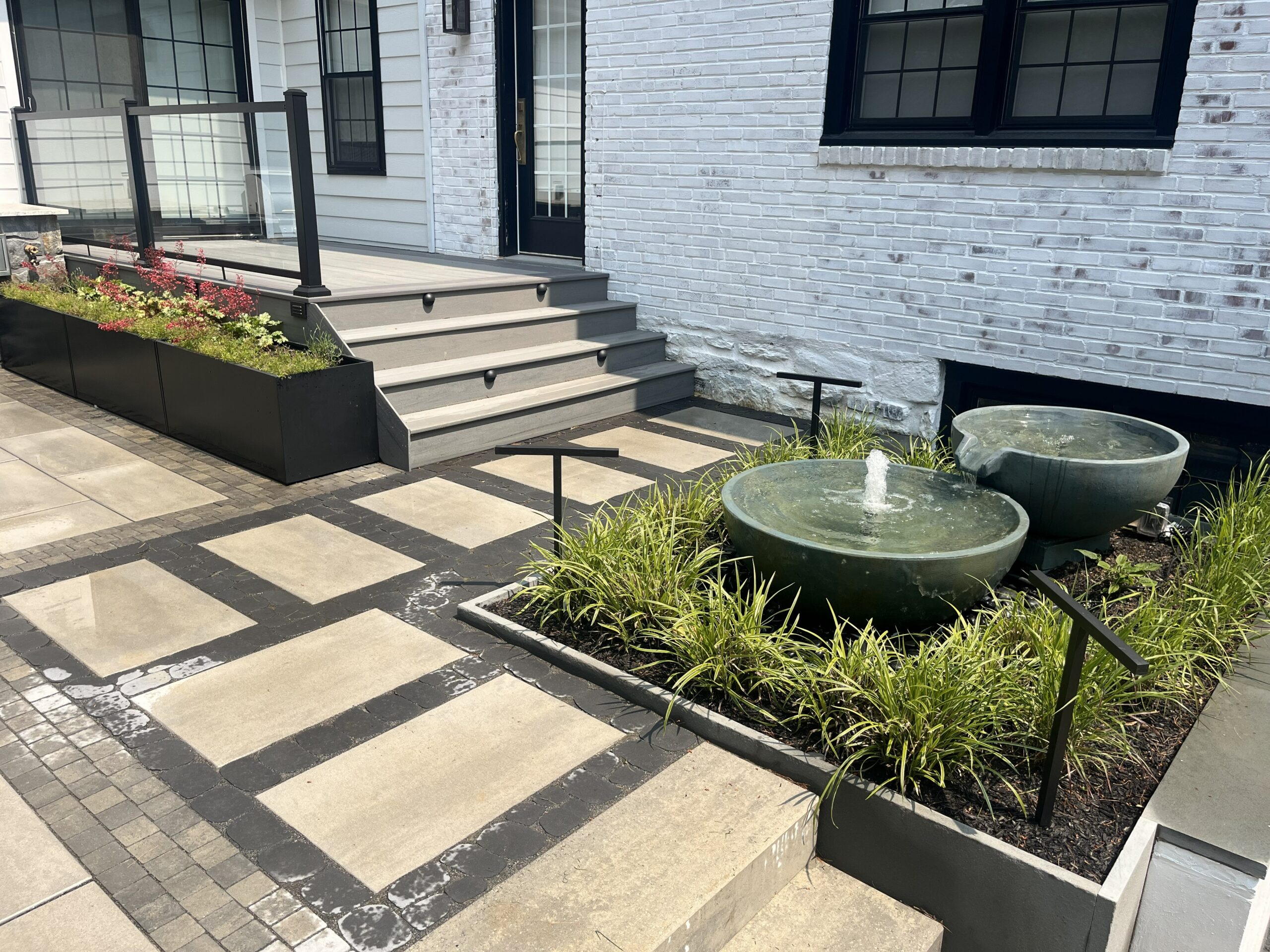
Pavers offer structural reliability and design flexibility. They are dry laid (with gravel) but can also be overlaid on concrete. Size, shape, color and textures option are endless. Their consistent sizing allows for clean lines, controlled patterns, and a tailored appearance that complements both contemporary, traditional and historic homes. Pavers, combined with an “open grade” base, are the perfect choice when storm water or impervious surfaces are a concern.
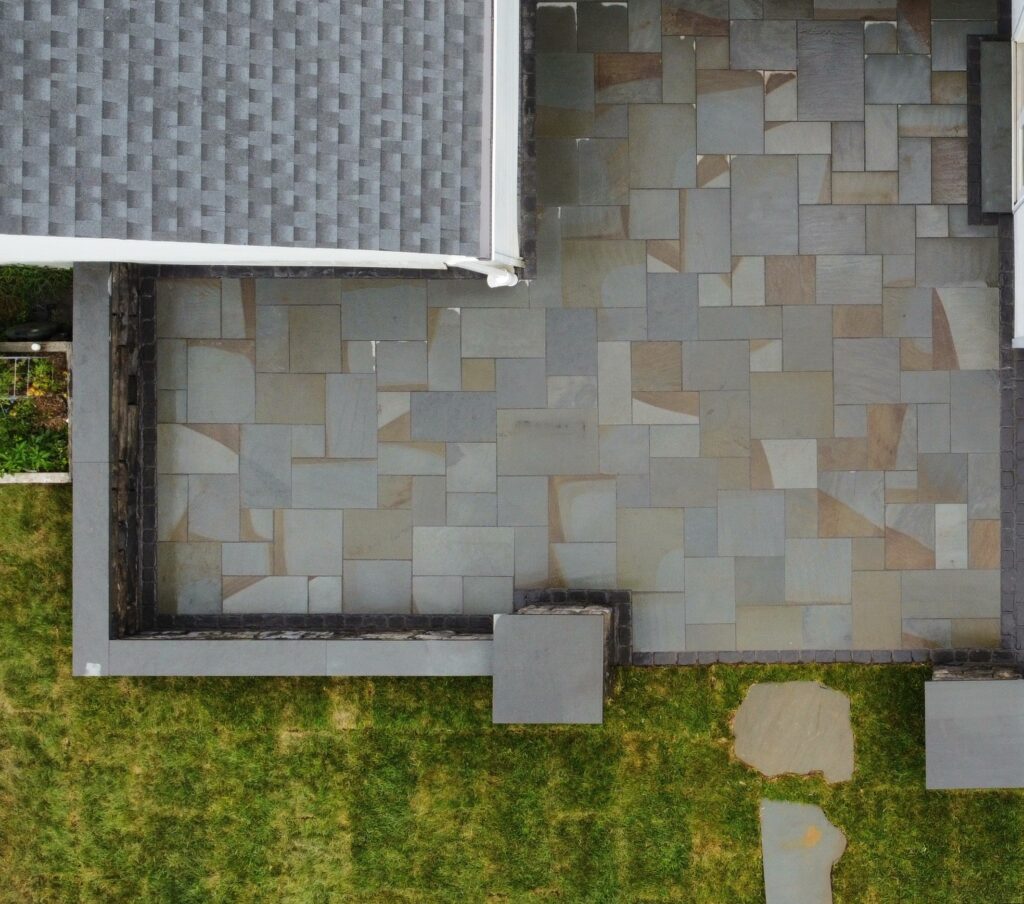
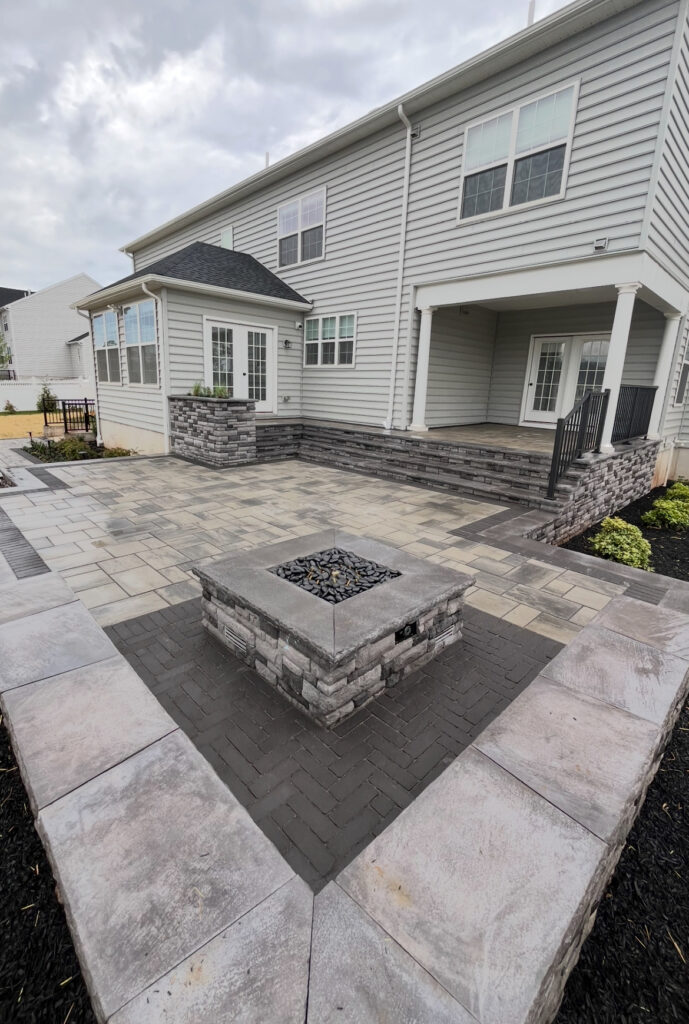
Every surface is defined by both what it’s made of and how it’s installed – shaping durability, appearance and long-term performance.
Projects Defined by Materials
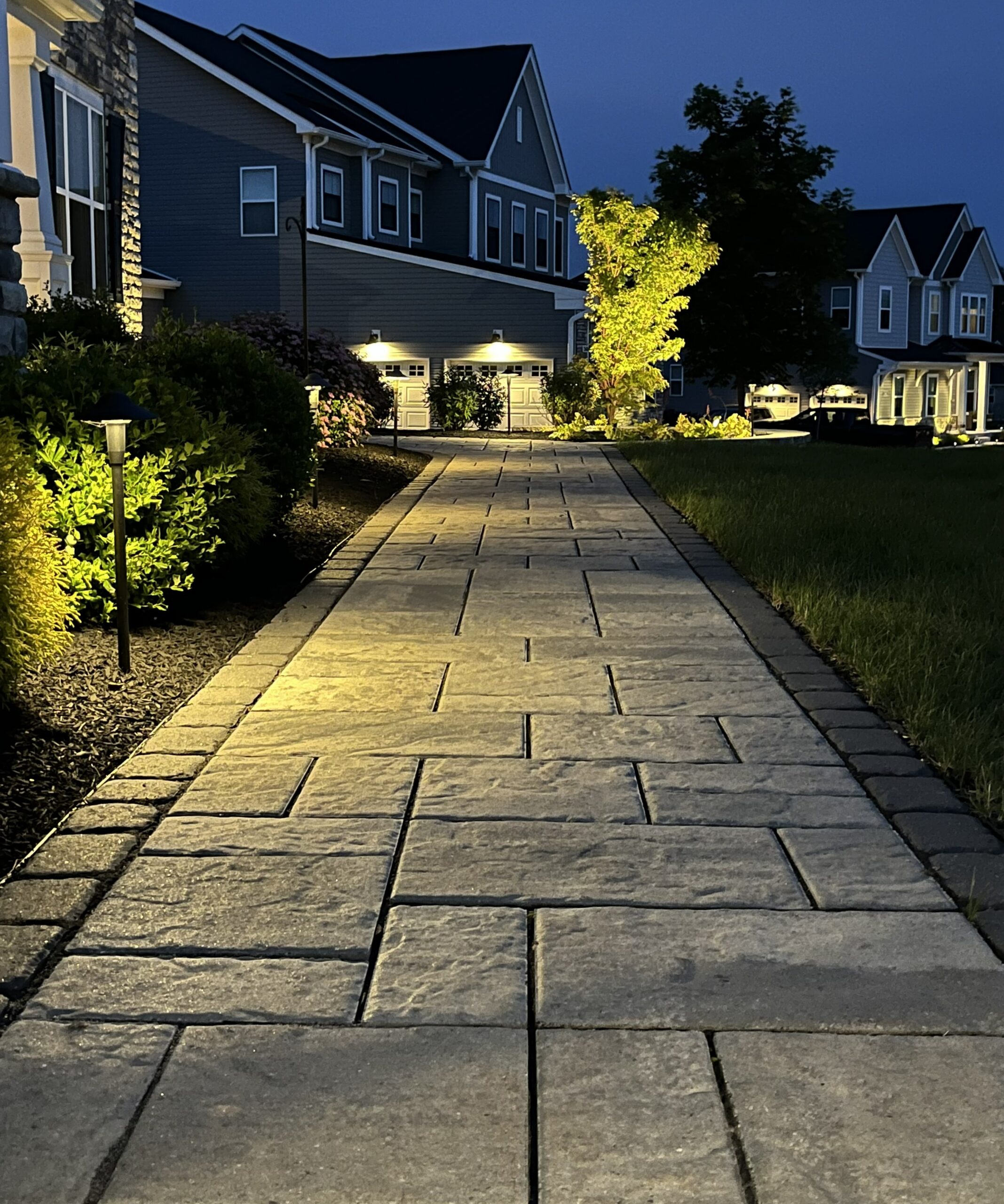
What It's Like Getting Dirty With Us
Turns out, getting dirty is actually a pretty great experience.
Read to renovate or create your new hardscape?
Frequently Asked Questions About Hardscaping Projects
Every hardscaping project begins with questions about materials, drainage, maintenance, timelines, costs and how everything will come together around your home. Below are answers to some of the most common questions we hear from homeowners as they begin planning patios, walkways, walls, driveways and outdoor living spaces.
How long will a paver patio or walkway last?
The life of your hardscape is all about that base. The base is made of sub-grade soil conditions, drainage, fabric, gravel and setting bed. It doesn’t matter what type of stone or paver you select – if the base was not properly constructed. With proper excavation, drainage, sub-soils, and base preparation, your hardscape should last at least 25-30 years. By then, most people want to upgrade to a new style, size or materials.
Will my patio shift or settle over time?
Movement typically results from inadequate base preparation or drainage issues. Proper grading, compaction, soil separation and bedding are essential to the life of a paver system. The fact is – paver systems are meant to all for subtle vertical movement during freeze/thaw cycles. Tree roots or broken water pipes can cause any materials to shift of settle. The great news about pavers is they can be lifted up, the base can be repaired and they can be reinstalled.
Will weeds grow between the stones on my patio?
Weeds are a very tricky thing. Stone set on concrete with a mortar joint will not have weed problems right away, but as mortar joints breakdown over time, soil and debris can build up in them. Patios built on a gravel base have joints filled with polymer sand that hardens. These joints usually last about 10 years before weeds can start popping through them. Weeds can grow from something as simple as a passing bird dropping a berry or debris from the lawn mower. You can do things like applying a sealer to the patio every few years to keeps weeds out.
Do retaining walls require engineering?
In most cities and municipalities, walls under four feet tall, do not require engineered drawings or installation methods. The best contractors will start applying some engineering methods to retaining walls over three feet tall.
Can an outdoor kitchen, fireplace or pavilion be added to a patio after it's built?
Things can be added in the future, but they should be planned for in advance. You can do things like have a plumber install underground gas lines and make connections into the house or below ground tank and leave a pipe “stubbed” out of the ground while the patio is being built. You can dig footings and poor concrete for a future structure and then cover the footings with paver or natural stone until you’re ready to build the structure. Doing these things during the original patio construction will prevent you from having to rip up areas of the patio in the future and will save you a lot of money.