Repairs and Renovations
Not every project begins from scratch. Sometimes the right solution is restoring what’s already there — correctly. Thoughtful repairs and intentional renovations restore both structure and beauty.
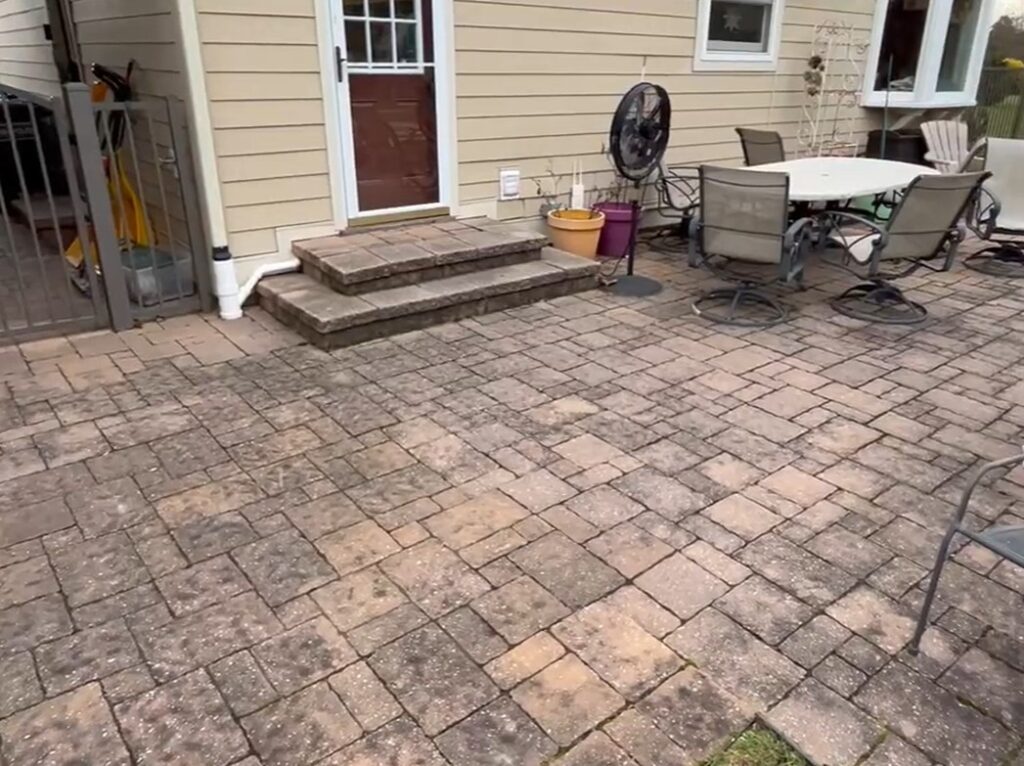
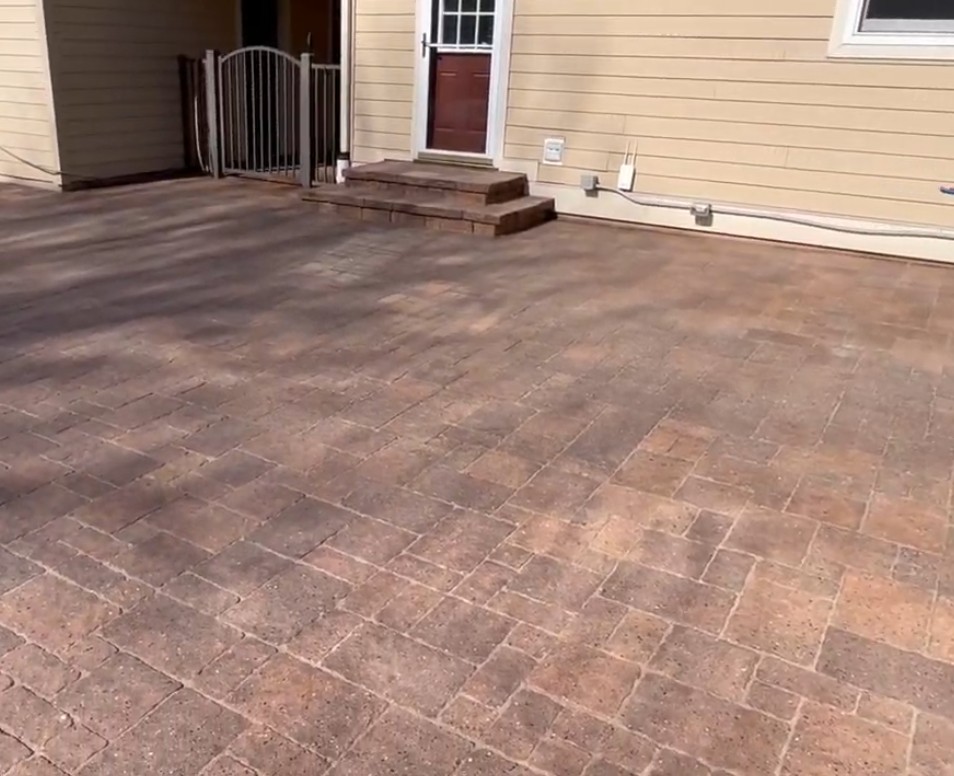
Restore and Rebuild
Over time, outdoor spaces begin to show their age in ways that are hard to ignore. Deck boards soften and railings loosen. Patios settle, joints break apart, and walls start to lean. Lighting systems stop working the way they once did, and plantings that were once small and intentional begin to overgrow – blocking windows, crowding walkways, taking over spaces they were never meant to fill.
For some homeowners, it’s about addressing what’s no longer working – repairing, restoring and bringing a sense of order back to the property. For others, it’s something more. A home has changed hands, a new chapter has begun, or the existing space simply doesn’t reflect the way they want to live. In those moments, renovation becomes an opportunity to clear the slate and create something entirely their own.
Whether the goal is to fix what’s there or reimagine it completely, the approach matters. Every space is evaluated with intention – what can be restored, what should be replaced, and what has the potential to become something better.
We evaluate every project with a trained eye – identifying whether targeted repairs will resolve the issue or whether a full renovation will better protect your investment long-term.
The result isn’t just an updated landscape, it’s a space that feels aligned again – functionally, visually, and personally.
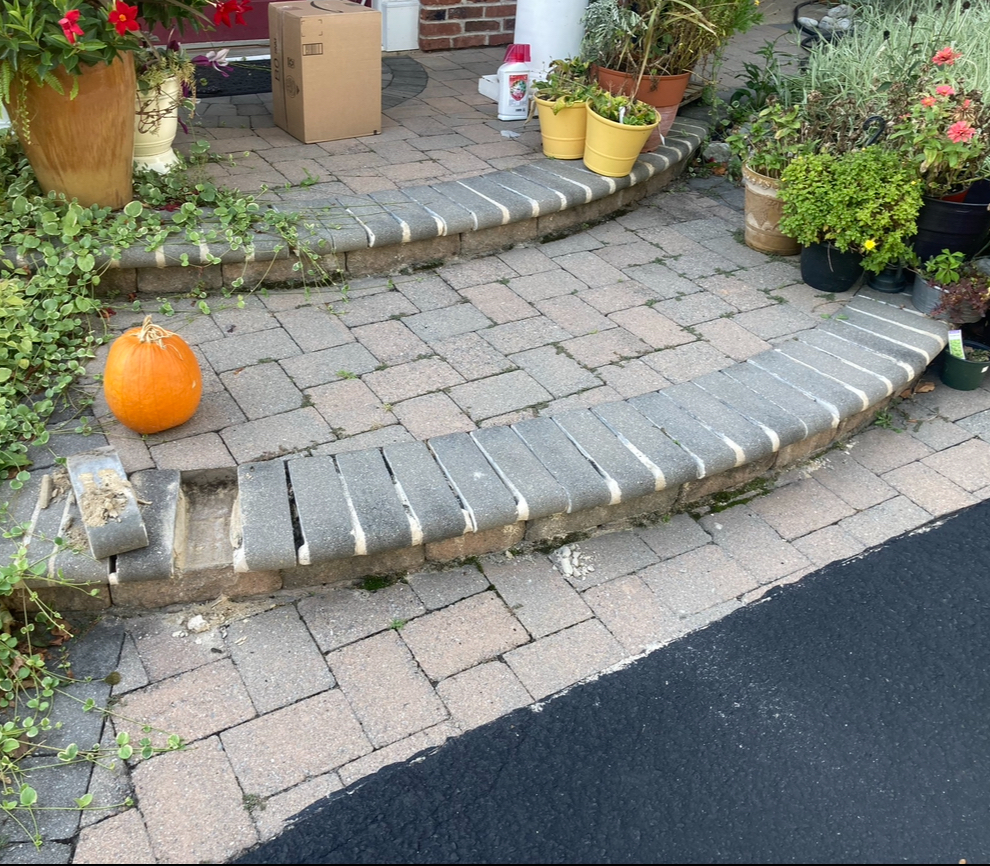
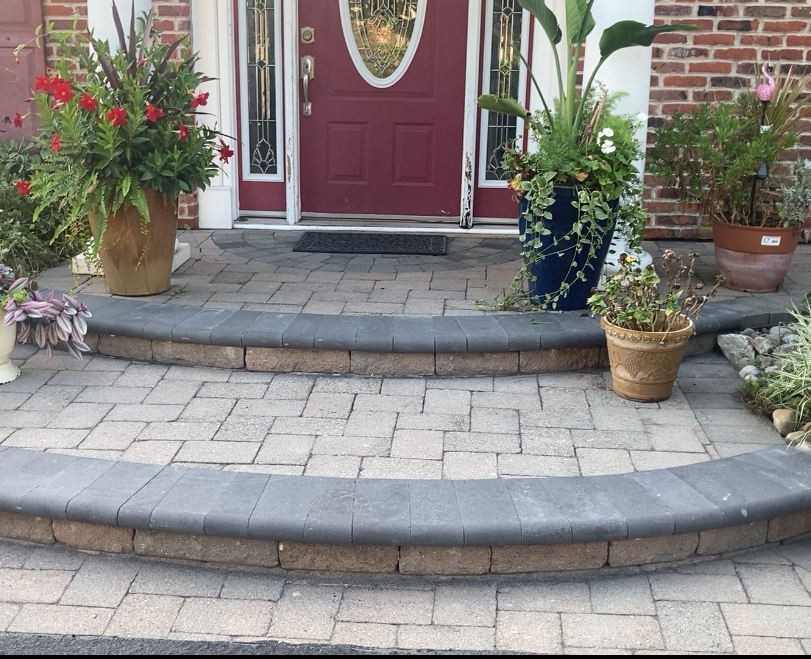
We Can Fix This
Settling pavers, loose joints, failing polymeric sand, deteriorating deck boards or minor wall movement are common over time. In many cases, these problems stem from surface wear or isolated base issues rather than complete structural failure. When the underlying foundation remains intact, targeted restoration can correct the concern without unnecessary demolition.
Our repair process focuses on diagnosing the root cause – not simply addressing visible symptoms. Proper re-leveling, selective removal and reset, joint stabilization, drainage correction or board replacement can restore both function and appearance. The goal is stability, longevity and a finished result that blends seamlessly with the original construction.
Strategic repairs can extend the life of your existing hardscape. When addressed early, many issues can be corrected without full replacement.
Should we Restore
We Need Some Repairs
We Should Rebuild This
Over time, some patios, walls, and decks reach a point where underlying base failure, poor original construction, or outdated layouts make repair impractical. In these cases, rebuilding offers the opportunity to address grading, drainage, structural layering, and utility considerations correctly from the ground up.
A full renovation also creates space for improvement — expanding usable square footage, upgrading materials, improving circulation, or integrating lighting and future additions. Rather than patching what exists, rebuilding allows the space to function better, feel more cohesive, and perform reliably for decades to come.
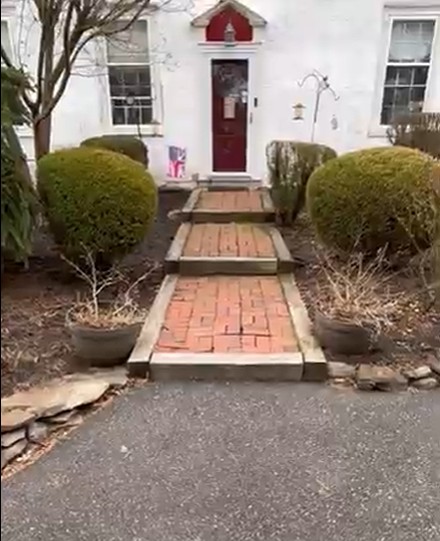
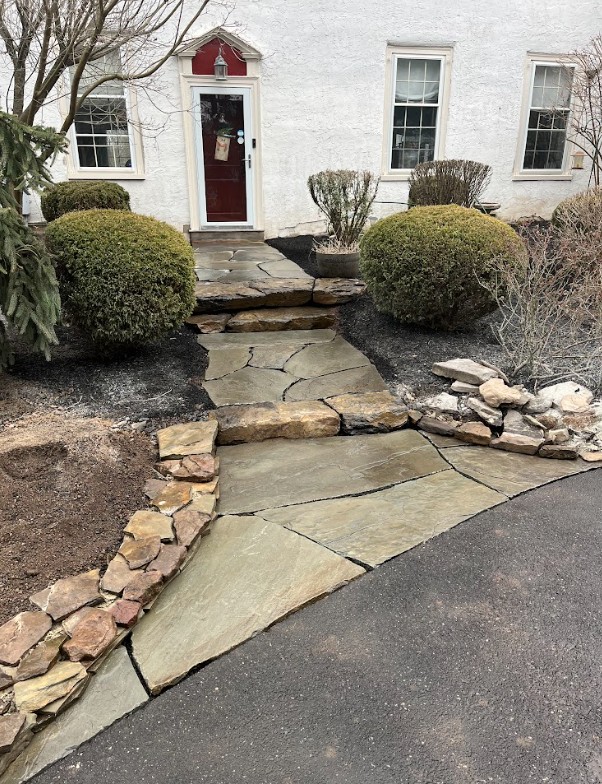
When structural integrity or design updates can’t be corrected with repair, rebuilding provides a long-term solution. A renovation allows the space to be reengineered and reimagined properly.
Should we Rebuild
We Want to Replace
Before and After
What It's Like Getting Dirty With Us
Turns out, getting dirty is actually a pretty great experience.
Not sure what your next steps are...
Frequently Asked Questions About Hardscape Repairs and Renovations
When something begins to fail, the natural question is whether it can be repaired or needs to be replaced. Our role is to help you make the right decision — not the most convenient one. The right contractor addresses the problem thoughtfully, rather than steering you toward a predetermined outcome. Below are the questions we’re most often asked.
How do you fix uneven or sunken pavers?
You’ll want to begin by lifting up or extracting the pavers or stone. The edging may also have to be removed to do this. As a general rule of thumb, you never want more than one inch of depth for your bedding layer, which is usually concrete sand or small clean crushed stone. If the stones have settled several inches, you’ll need to remove the bedding layer and add additional base stone. They you’ll need to spread and level one inch of new bedding layer. The paver and edging can be reinstalled, along with new polysand.
How do I know if my deck frame is still good?
Does your deck floor bounce in any areas or wobble side to side? If it does, that’s a pretty good indicator that the structure is in poor condition. If you can crawl under the deck, check the joists for rot, cracking or breaks. Also check the connection between the deck and the house to make sure it’s still tight and in good condition.
Can I replace deck boards without replacing the frame?
Yes, if the structure itself is in good condition, you can certainly replace the decking. You’ll just want to check the existing fasteners to make sure they’re easily accessible. You may also have to remove your railings if they’re secured to the decking.
Can you just replace the polymeric sand between the joints?
You’ll want to remove the existing poly sand that’s in the joints, to a depth of about one inch first. We suggest cleaning the surface of the pavers or natural stone at this point. The surface of the stone or pavers must be 100% dry. Sweep the sand in and lightly spray down the sand in multiple phases to prevent polymers from washing onto the paver or stone surface.
Can a leaning retaining wall be repaired, or does it need to be rebuilt?
It depends on what material the wall was built with and the construction methods that were used. You should consult with a designer or engineer to get a definitive answer on this. Minor damage
What causes patios and walls to fail over time?
There are a few reasons why pavers or natural stone on a patio or walkway could settle. The most common are wet soils underground, washout or movement of base materials, poor construction of base during initial construction. A good place to start is downspouts or standing water. If water is standing or seeping underground close to your hardscape, that’s a red flag.