Planting and Gardens
A well – designed landscape changes the way a home is experienced. It’s beauty that evolves through the seasons of nature and your life.
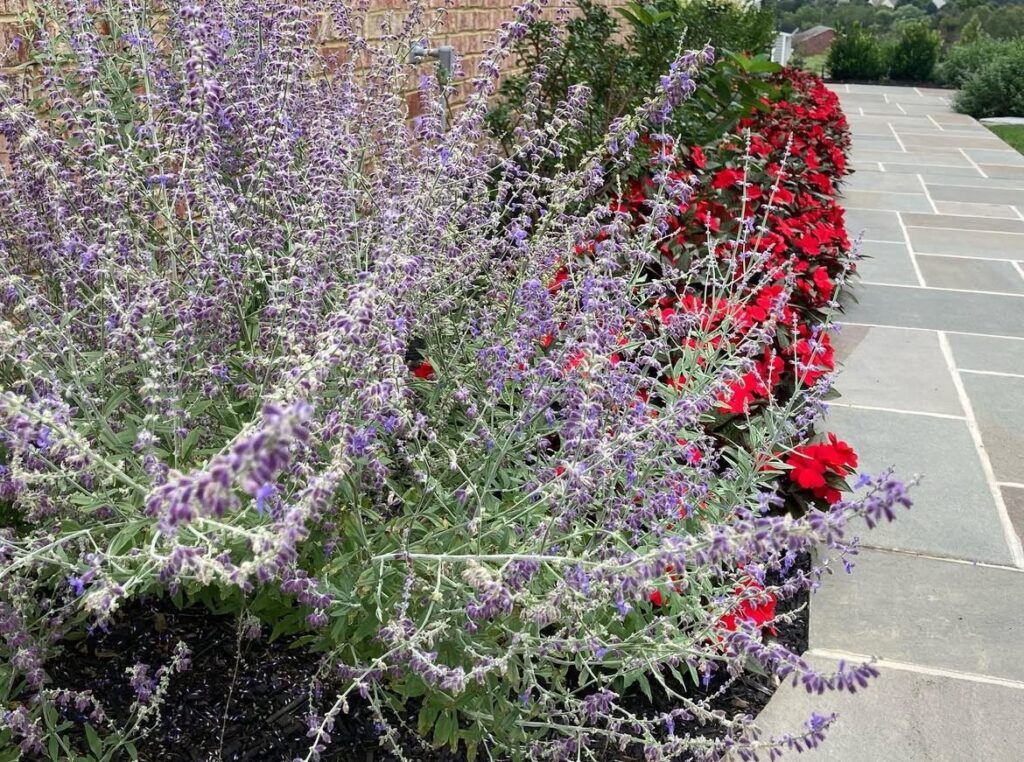
Gardens - Art That Grows
Beyond aesthetics, a refined landscape enriches daily life. The first sip of a hot coffee while listening to the birds sing. Morning light filters through leaves and warms your skin. You close your eyes and inhale deep as a subtle breeze blows by. A bouquet of carefully chosen fragrances is a reminder of why you love being outside. These are the small sensory experiences that reconnect and ground us with nature and ourselves.
From simple privacy plantings to a complete landscape installation, the most rewarding landscapes are born from a seamless, thoughtful process. When design and installation are handled with care and clarity, the experience becomes as enjoyable as the finished garden itself.
The result is more than a landscape – it’s a living work of art that elevates your home, reflects your style and quietly awakens the soul through sight, scent and sound.
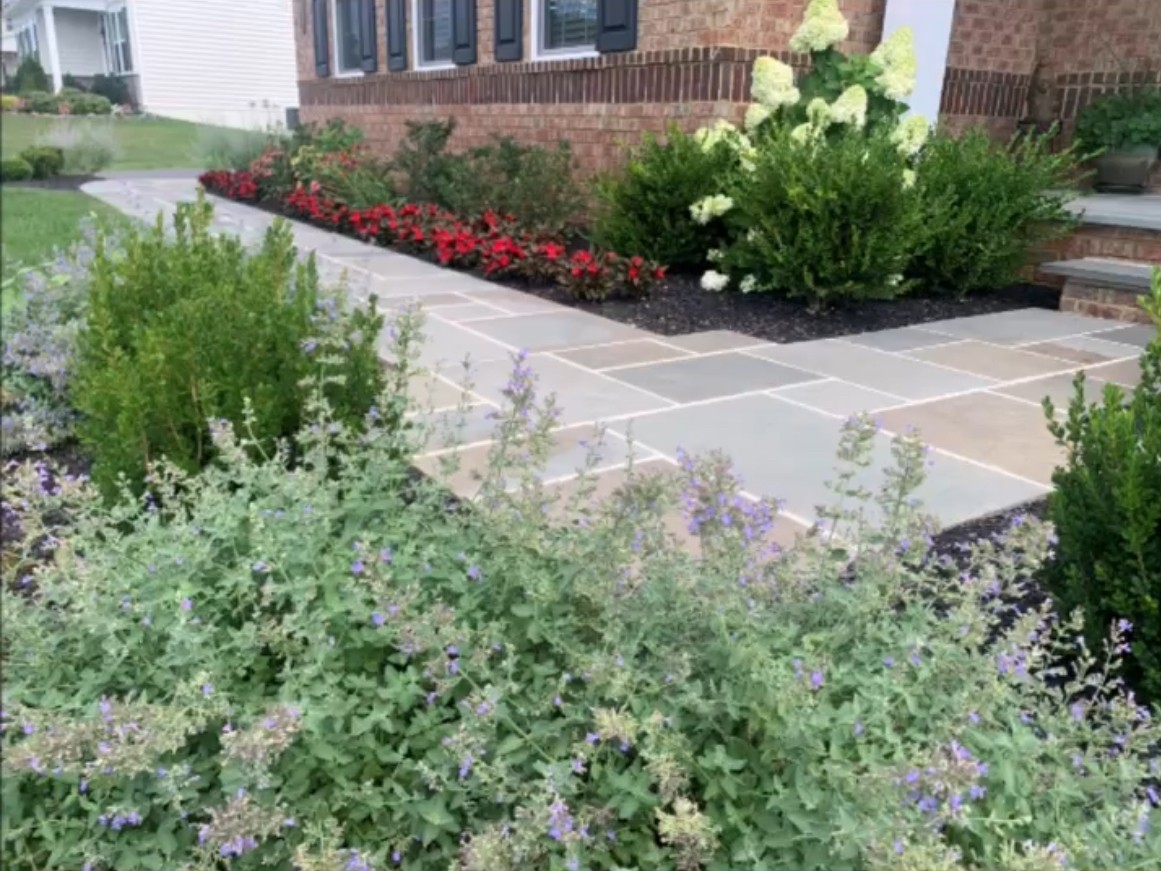
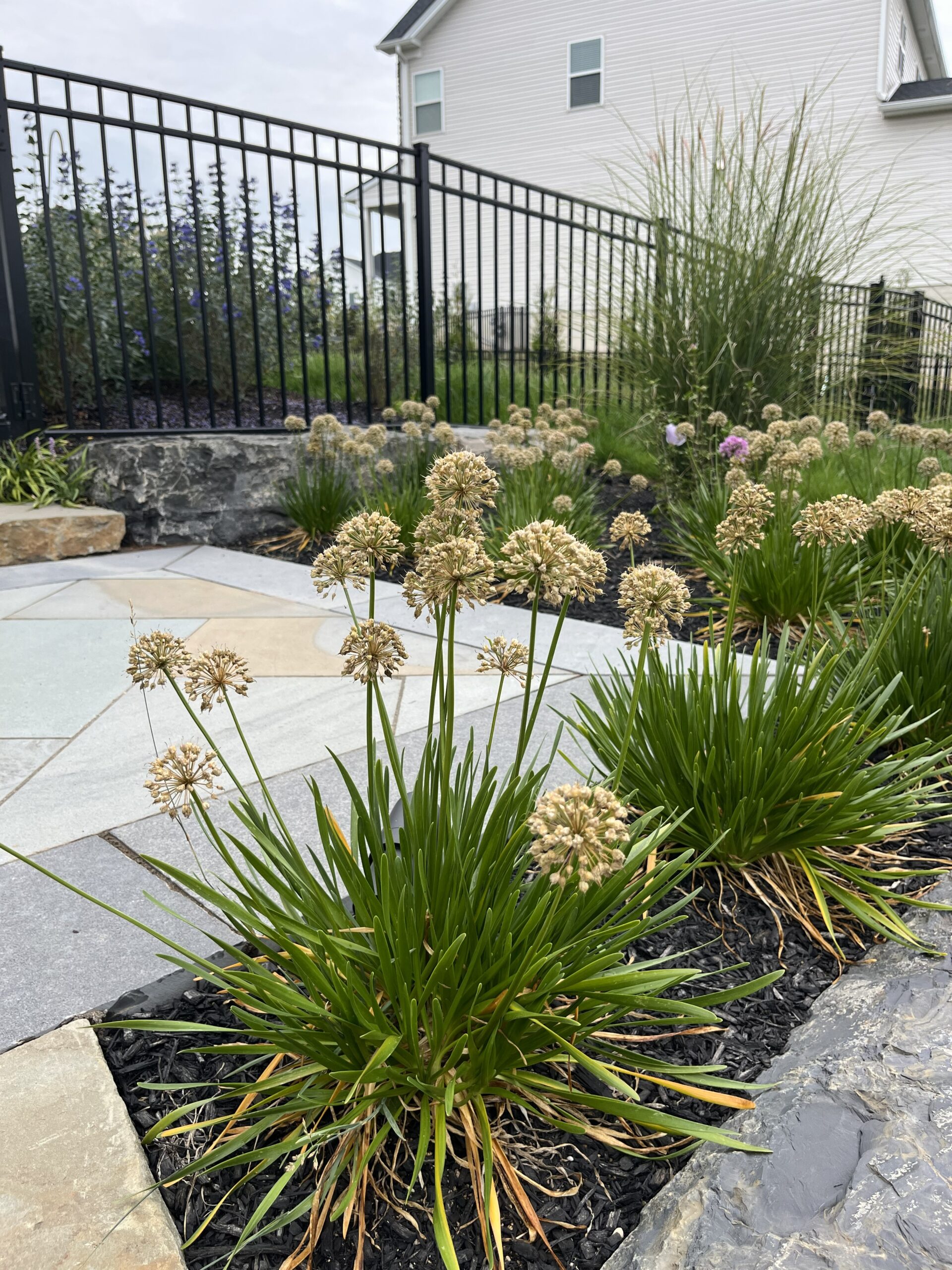
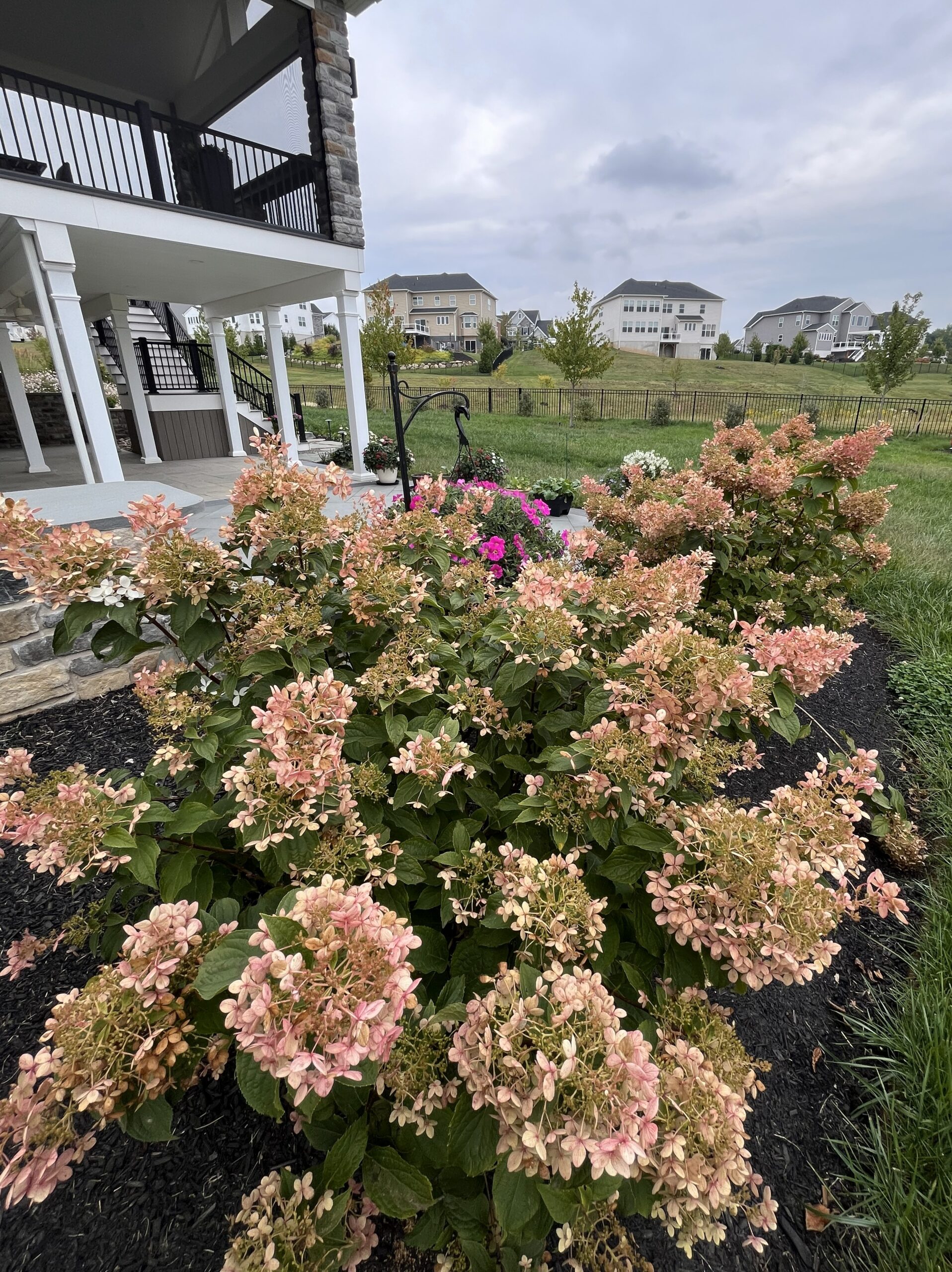
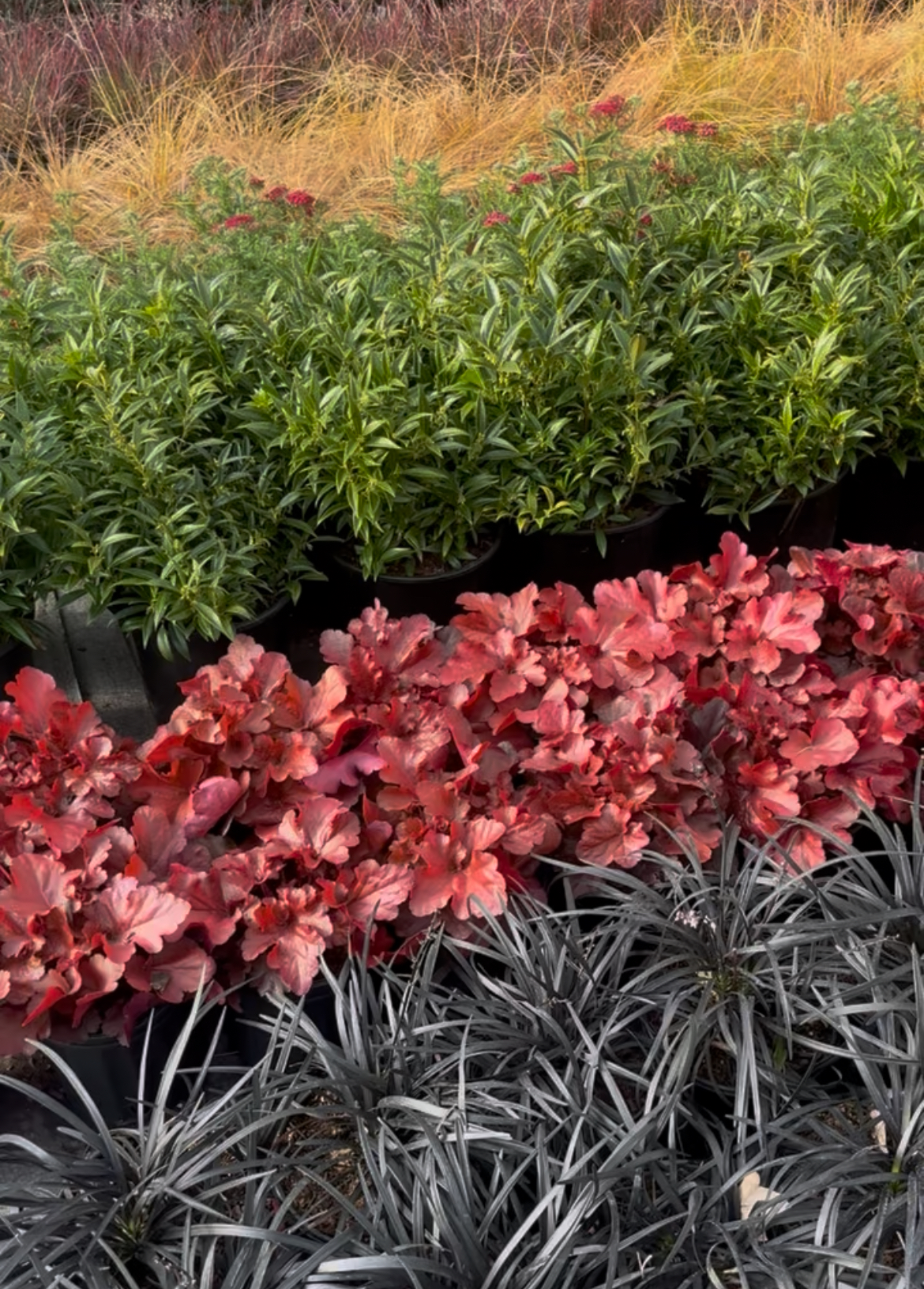
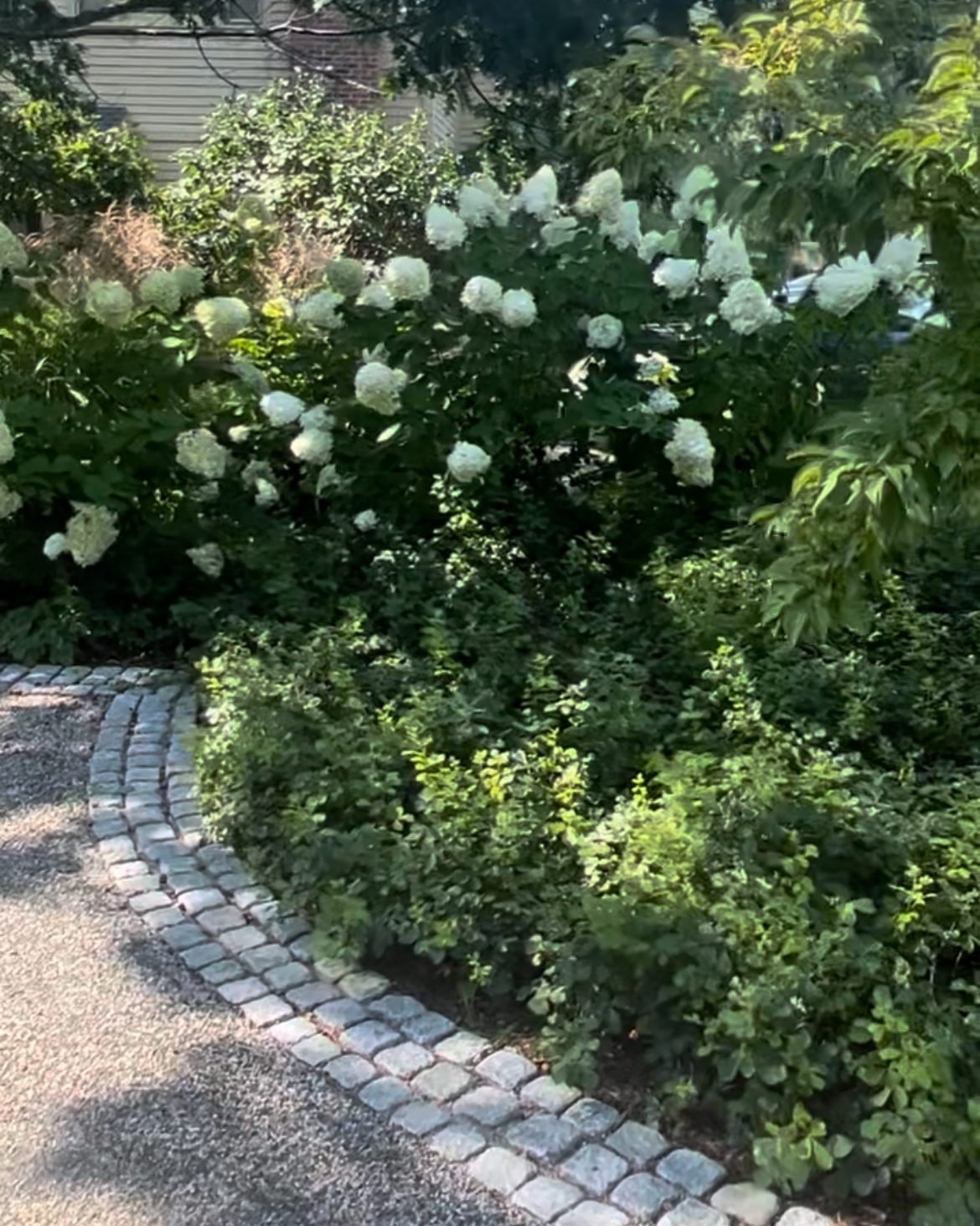
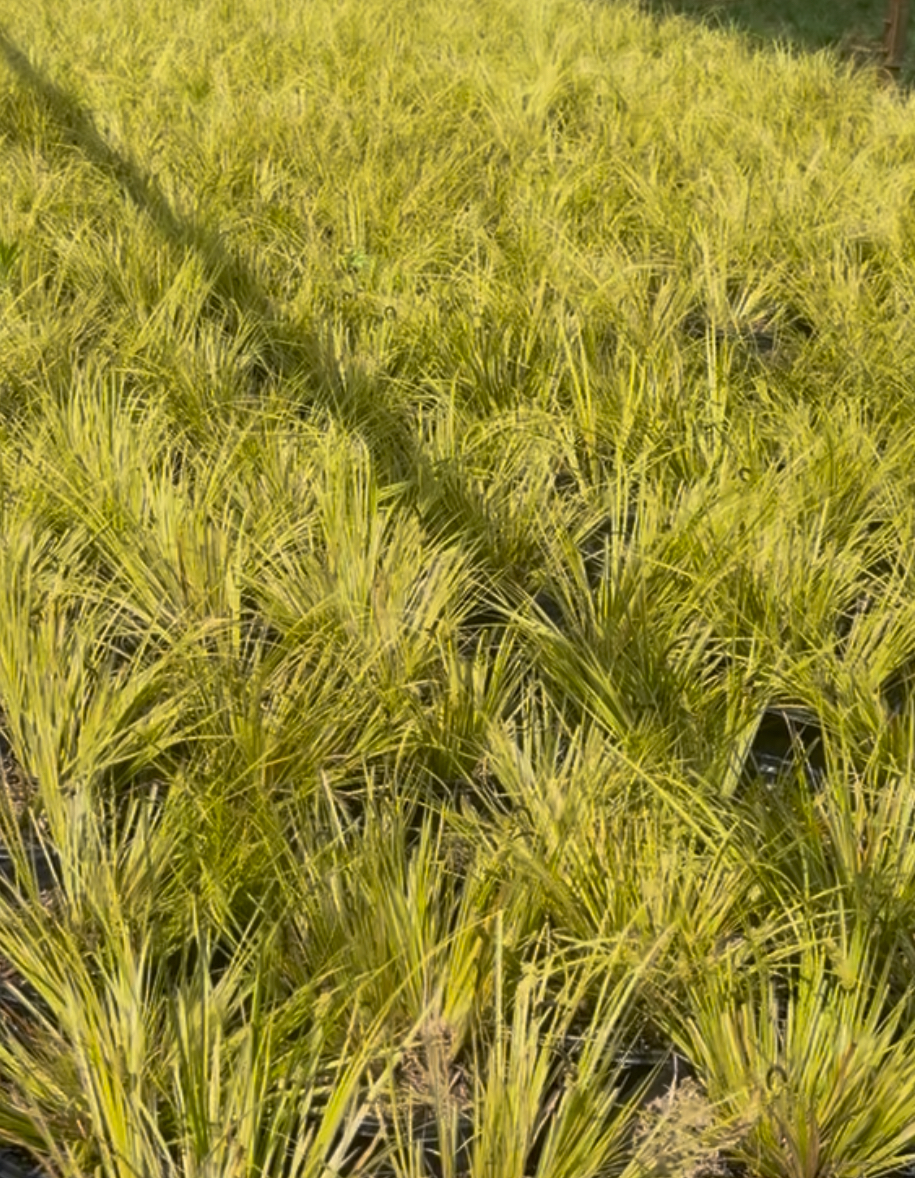
Refined, Formal or Manicured
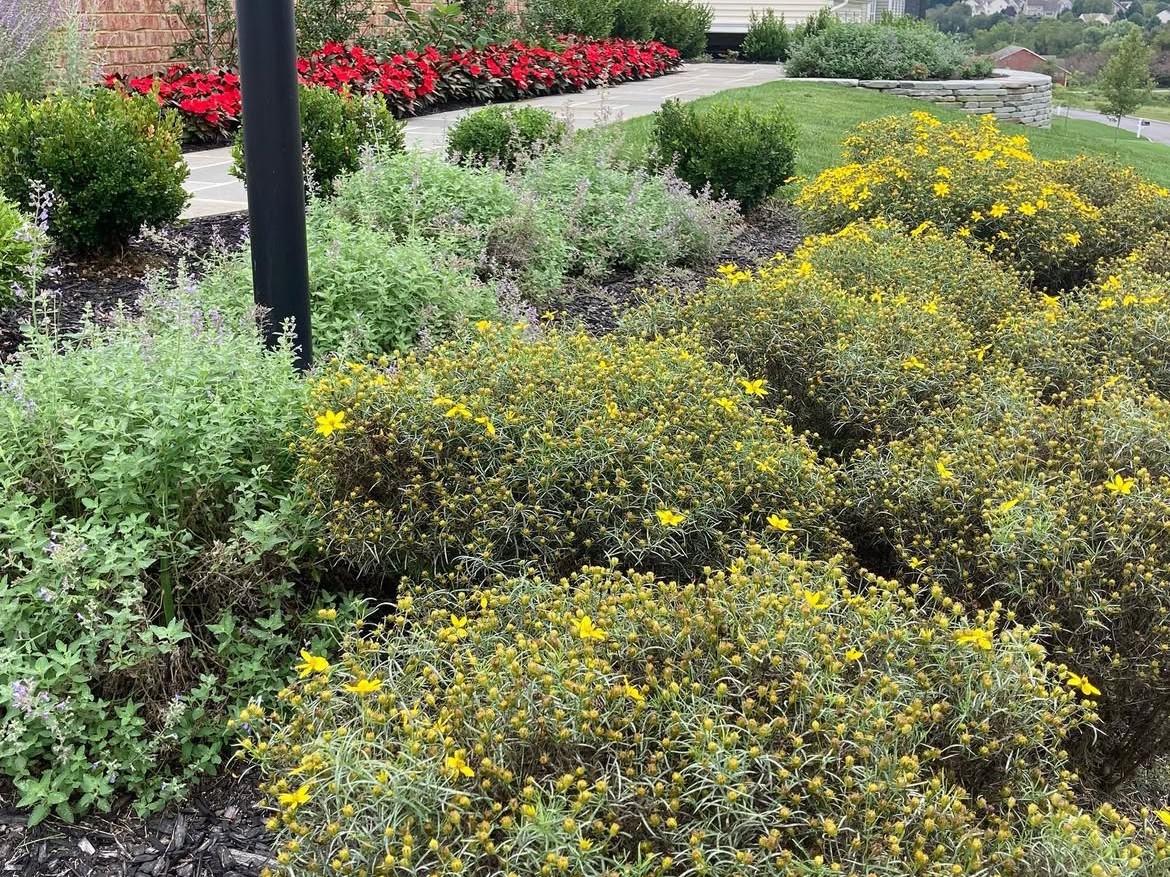
A refined garden is defined by clarity and control. Clean bed lines, structured plant groupings, and intentional repetition create a composed, architectural presence around the home. Evergreens establish strong framework and year-round structure, while carefully edited perennials provide seasonal interest without overwhelming the design.
Cottage, Informal or Natural
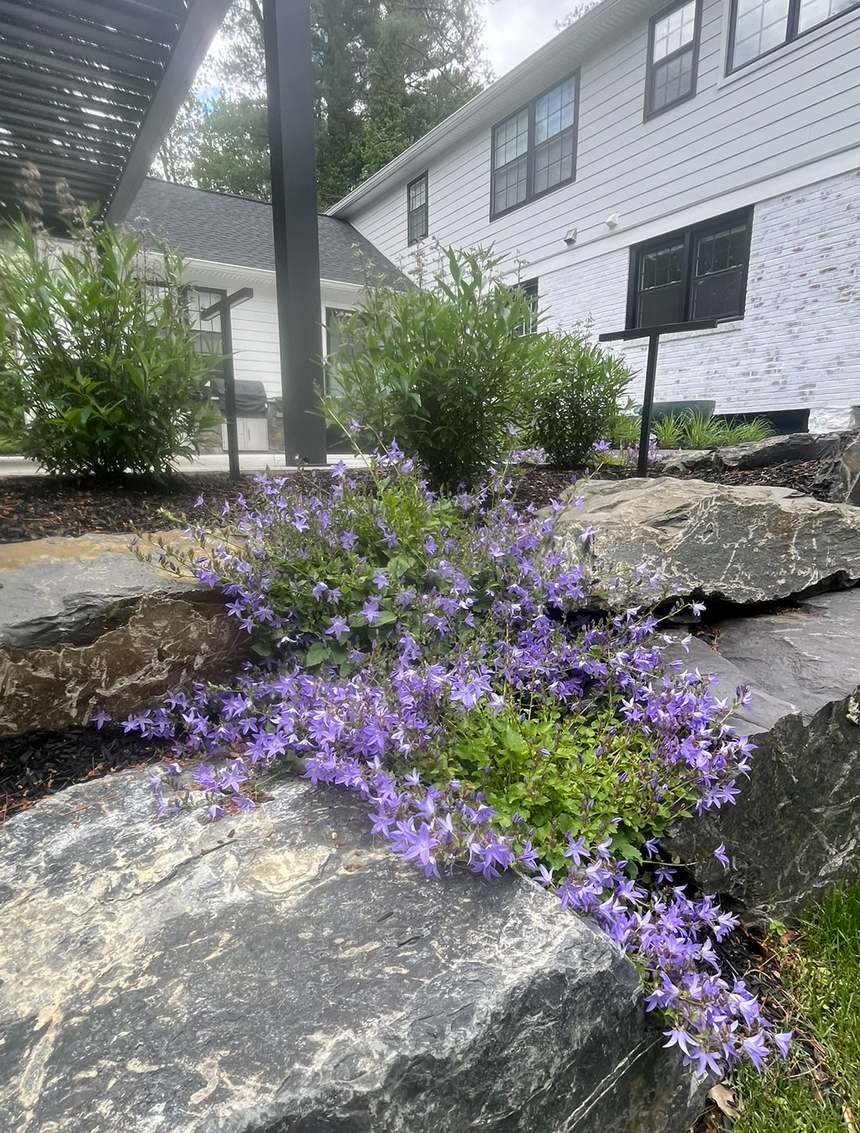
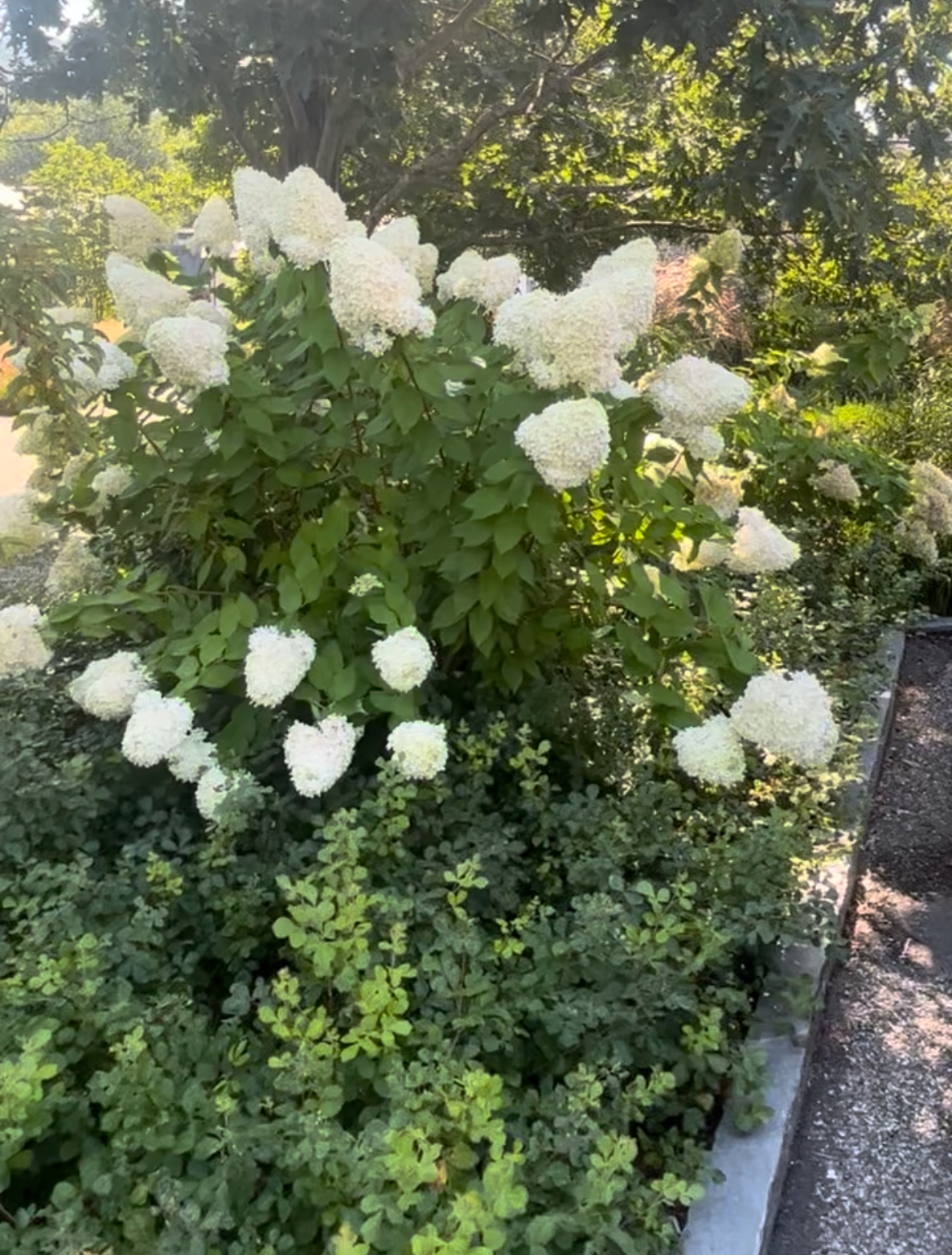
An informal garden leans into movement and layered planting. Perennials mingle with ornamental grasses and flowering shrubs, creating depth, texture, and a sense of natural rhythm. The design feels relaxed, yet it is carefully composed to bloom in waves and provide interest across seasons.
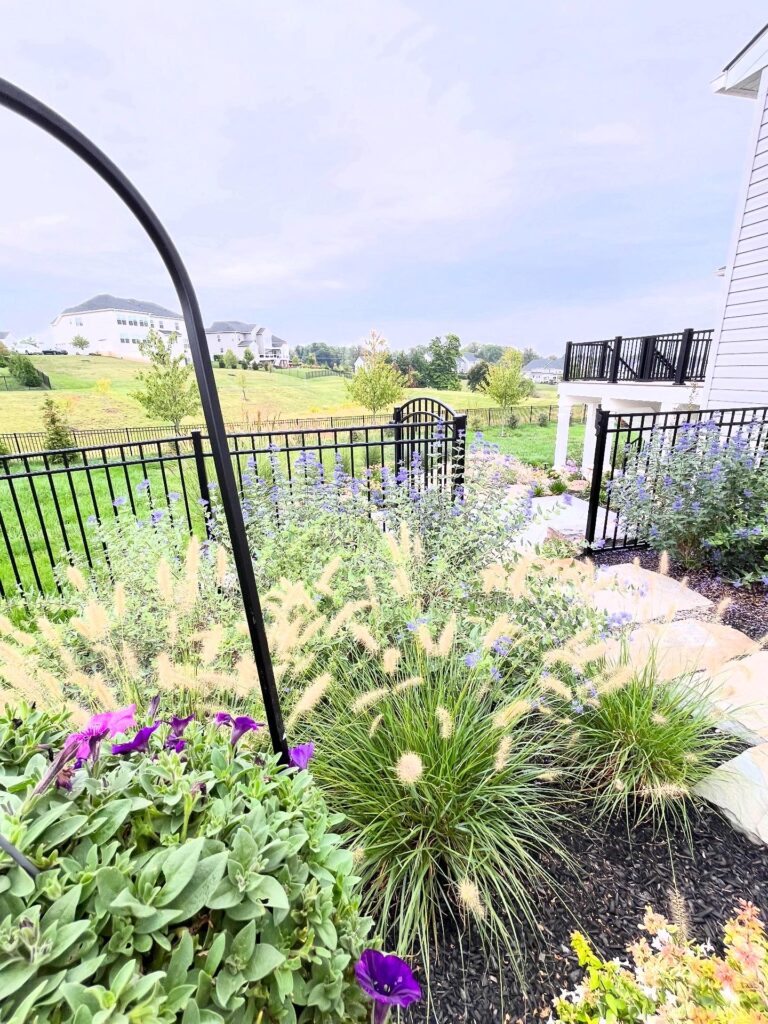
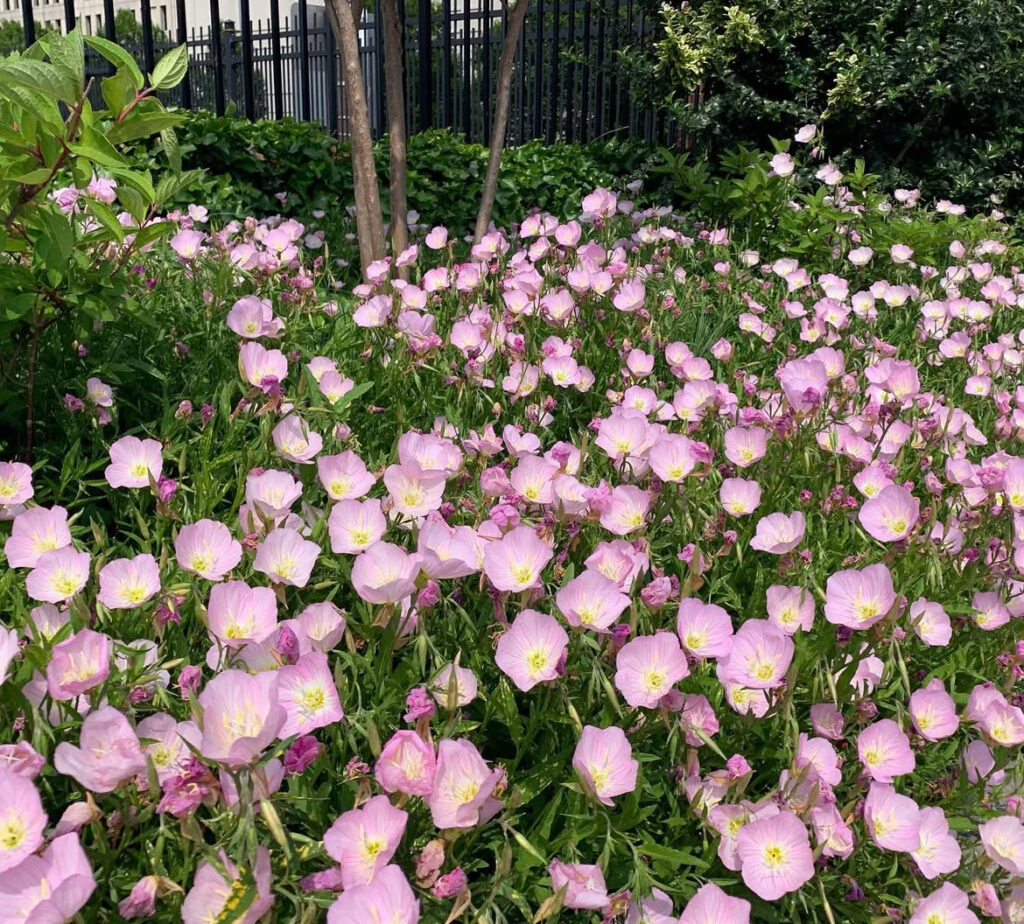
The way a garden looks should reflect the way you live within it.
Defining the Feel of Your Garden
What It's Like Getting Dirty With Us
Turns out, getting dirty is actually a pretty great experience.
Read to create the gardens of your dreams?
Frequently Asked Questions When Installing New Plants in Your Landscape
Just remember – a plant is a living and “breathing” organism. They require attention, maintenance and love. Take your time and ask a lot of question before you tackle your landscaping project. If you’re working with a landscape designer, be upfront with how much maintenance you’re willing to perform so plants are chosen wisely.
How much does landscaping cost for a front yard?
There are a few questions you should consider that will help you establish a reasonable landscaping budget for the front of your house. Are you only looking for plants along the foundation, or do you also want plants along the driveway and or street? Do you want instant gratification with large plants or are you ok waiting a few years for them to grow? Are you looking for something understated to add some color or are you looking for something that makes a more dramatic statement? With that said, the average from yard landscaping job, that only includes planting, costs between $5,000 to $15,000.
What is the best time of year to install new plants?
Spring and fall are ideal for most planting projects, as cooler temperatures and natural rainfall help plants establish strong root systems. Did you know that fall is actually a little better than spring when it comes to installing plants? Both seasons are great, but fall has a few more advantages. Plants are going dormant in the winter, so all their food and energy is spent on root development and not growing new branches, pushing foliage or generating flowers. Winter often brings snow which provides more consistent moisture for plants. Planting in the fall also gives your new plants 6-7 months to get acclimated to your soil conditions and establish stronger roots before hot weather and potential droughts. That said, with proper soil preparation and a dedicated watering plan, planting can be successfully completed throughout much of the growing season.
How do I create privacy or block my neighbors house with landscaping?
We get this question a lot and it’s a concern that’s pretty common for people who move into a new house development. We usually incorporate a few different techniques when putting together a landscape design plan for someone. If we’re trying to make something that looks a little more natural than just a line of evergreens, we’ll look to bring in soil to create a natural berm. This helps to give a couple extra feet of height to new plants right away while also providing better growing conditions for the new plants with organically amended planting soil. We also like to add depth to the privacy line by staggering evergreen trees with evergreen shrubs. Large ornamental grasses and some strategically placed boulders also soften the berm. If you’re not too concerned with privacy in the winter months, large deciduous trees also provide wonderful privacy when you need a plant that reaches a little higher.
Are there any plants I can use in really wet areas to help with drainage in my yard?
There are several plants that are perfect for this problem. The first thing to do is find out what “Planting Zone” you’re in. In the Philadelphia suburbs of Bucks, Montgomery and Chester Counties, we are zones 6A to 7B – (Primarily 7A). Then you have to ask if it’s a sunny or shady area. Here a some go-to plants that love wet areas of the yard in our region, listed by their common names to keep it easy. Cardinal Flower, Joe-Pye Weed, Elephant Ears, Iris, Ckokeberry, Pepperbush, Most Ferns, Red Twig Dogwoods, Summersweet, Willow trees, Birch trees and Bald Cypress trees.