Composite and Wood Decks
Being outside should feel like a precious experience, not a chore or an item on a checklist
Carving Wood Into Art
Thoughtfully designed and precisely built, a deck becomes the natural extension of your home – seamlessly connecting architecture, landscape and lifestyle into one cohesive outdoor living experience.
For families who value both elegance and ease, a well-designed deck creates space to gather without formality and entertain without effort. It anchors the backyard – overlooking layered gardens, pools, rolling lawns or woodland views – while providing structure and warmth to the landscape.
Every detail, from material selection to layout and flow, is considered with intention, ensuring the finished space feels timeless, refined and entirely your own. This is outdoor living designed not just to be seen, but to be lived in – season after season, year after year.
Wood
Decks built from natural wood such as; Cedar, Oak, Mahogany or IPE, offer a warmth and character that synthetic materials simply can’t replicate. The visible grain, subtle texture and natural color variation create depth and authenticity, allowing the structure to feel integrated with the surrounding landscape. People don’t choose a natural wood deck because they’re looking for maintenance-free. They choose it because they value a living material – one that becomes part of the garden rather than simply sitting within it.
Composite
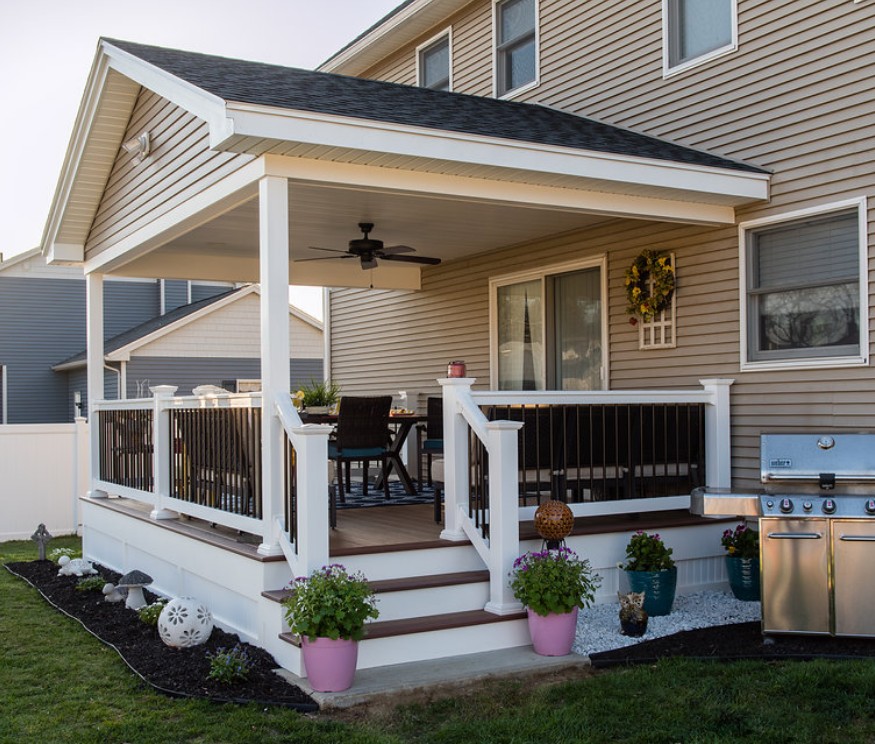
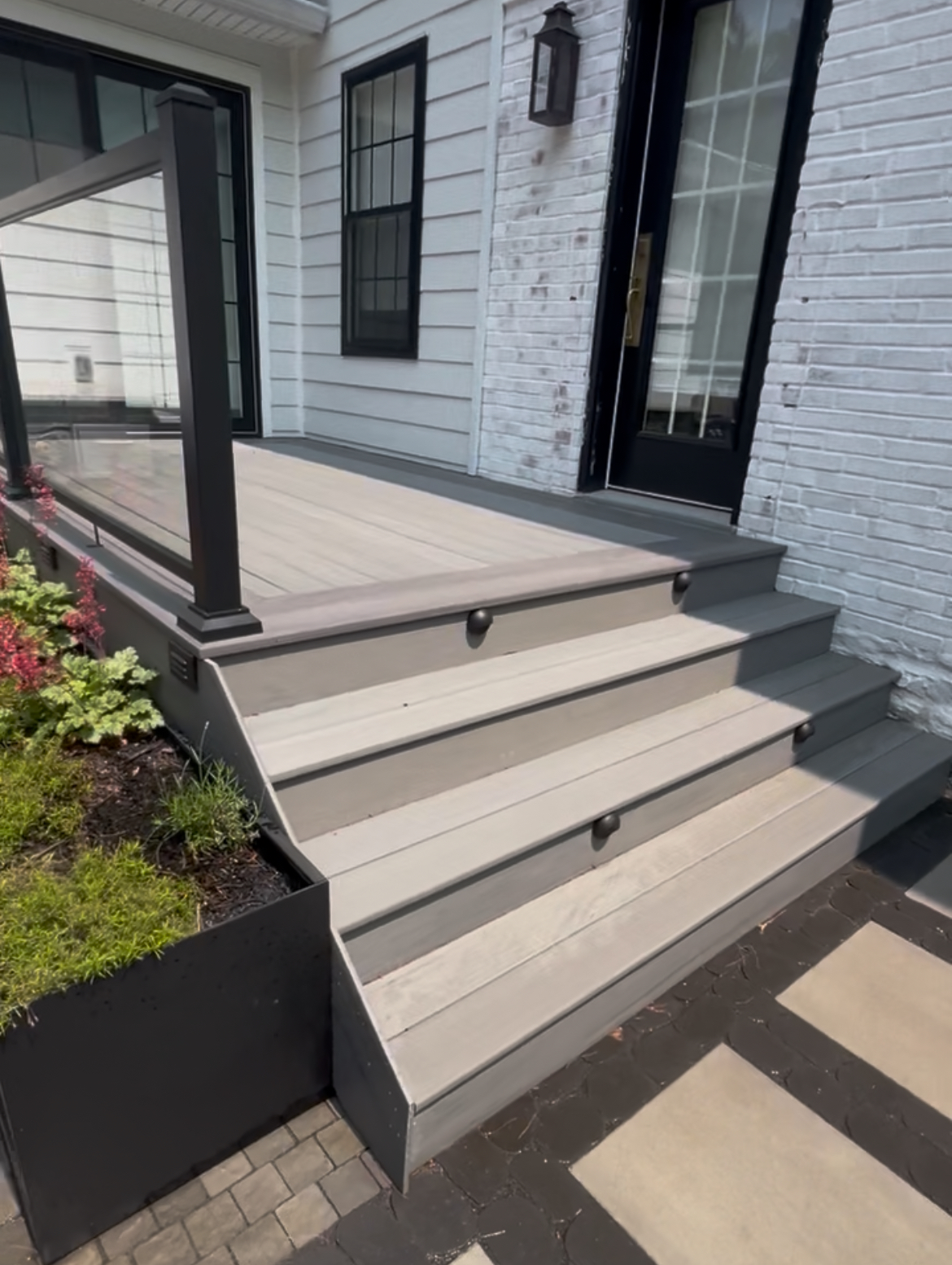
Composite decking offers clean, architectural style defined by consistent colors and textures. When thoughtfully designed – layout, borders and inlays can turn the decking itself into a subtle focal point. Engineered for durability, it resists fading, staining and wear with minimal upkeep. For homeowners who value long-term performance and a polished aesthetic, composite provides a dependable foundation for outdoor living.
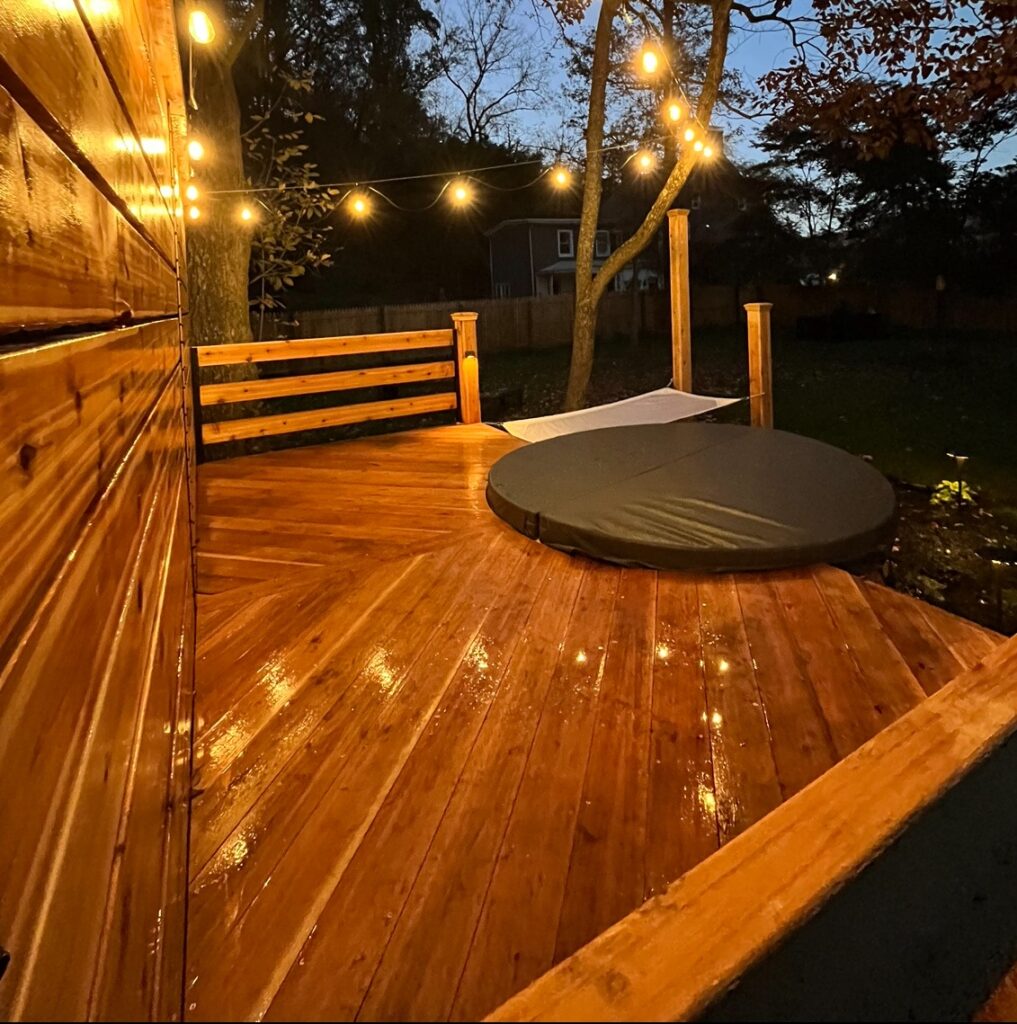
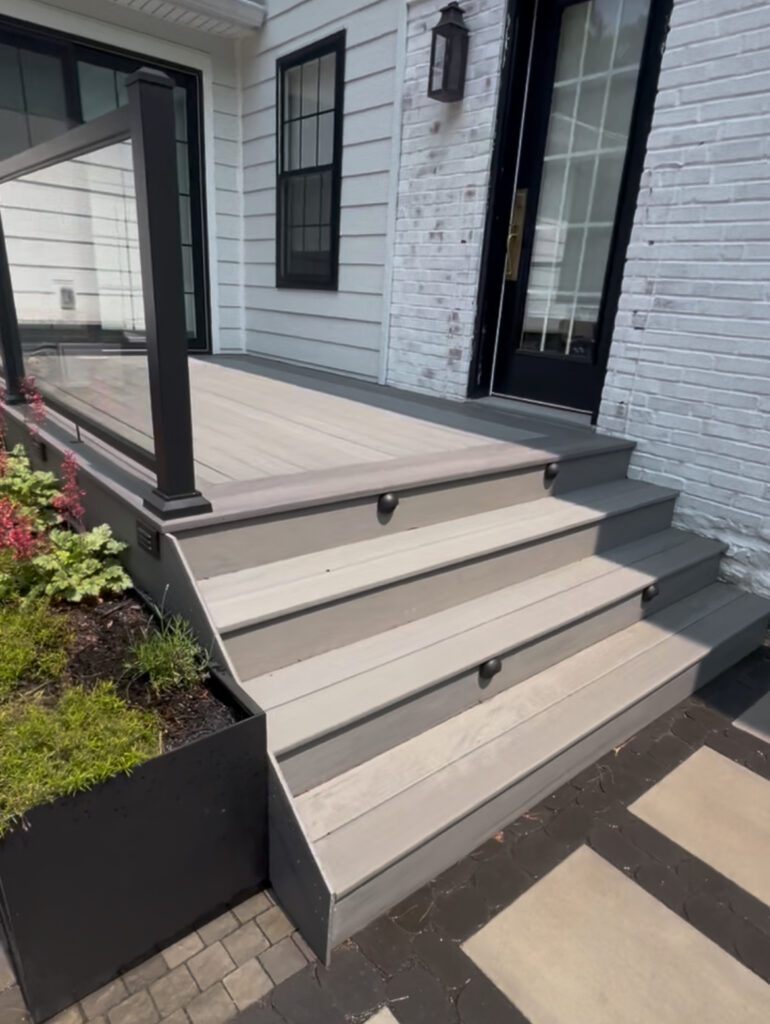
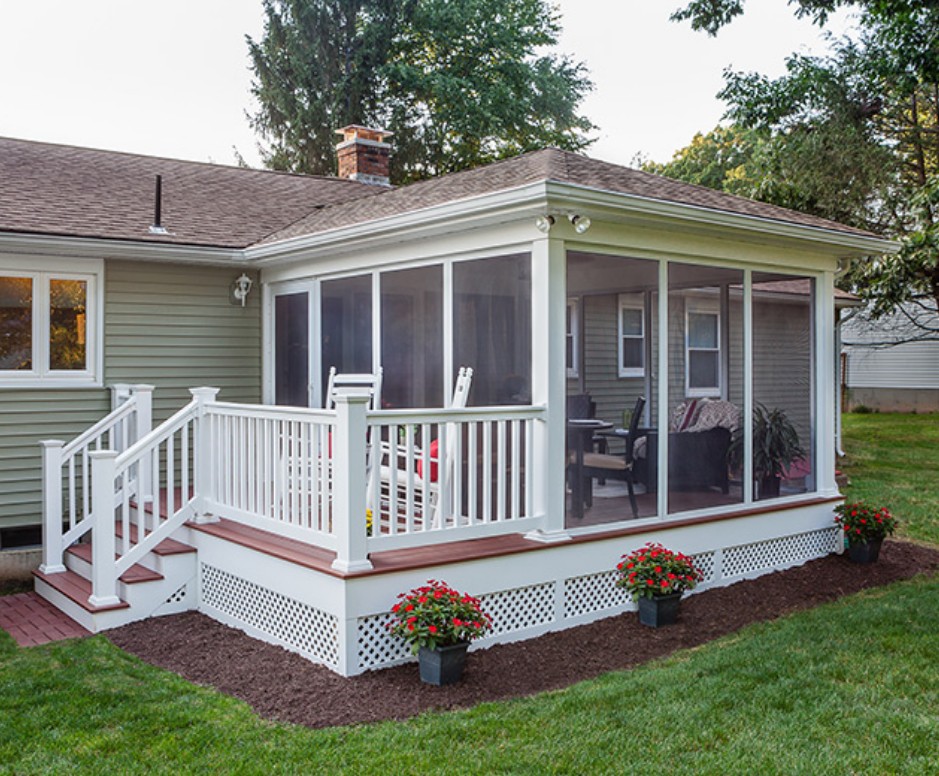
Understanding the distinction allows us to design the structure that best complements your home and how you live outdoors.
Wood or Composite Decking
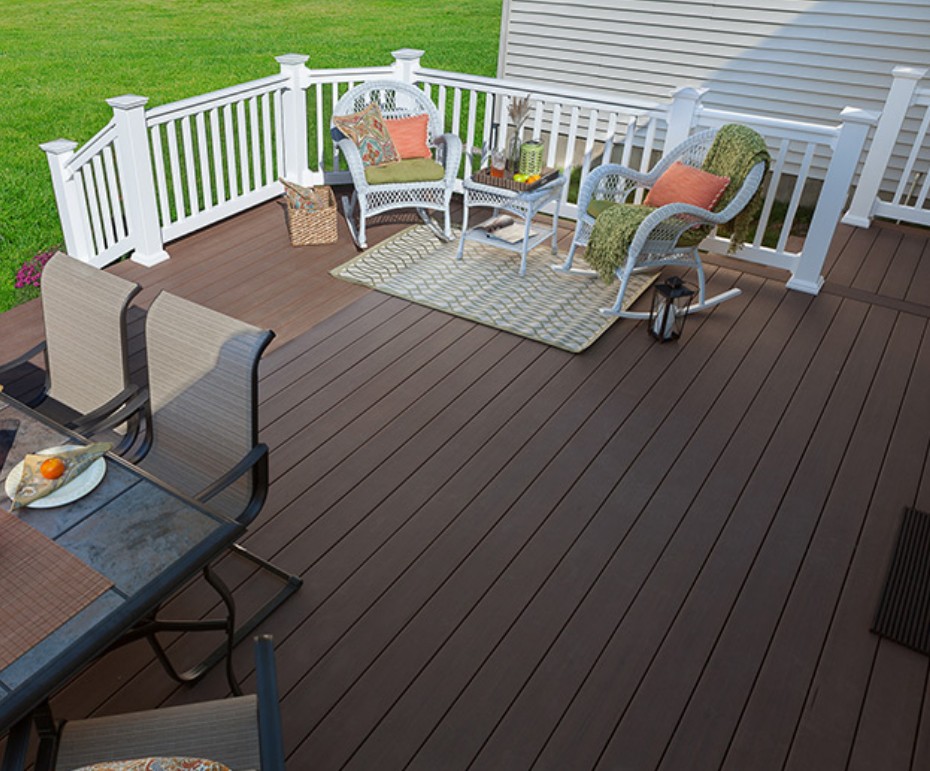
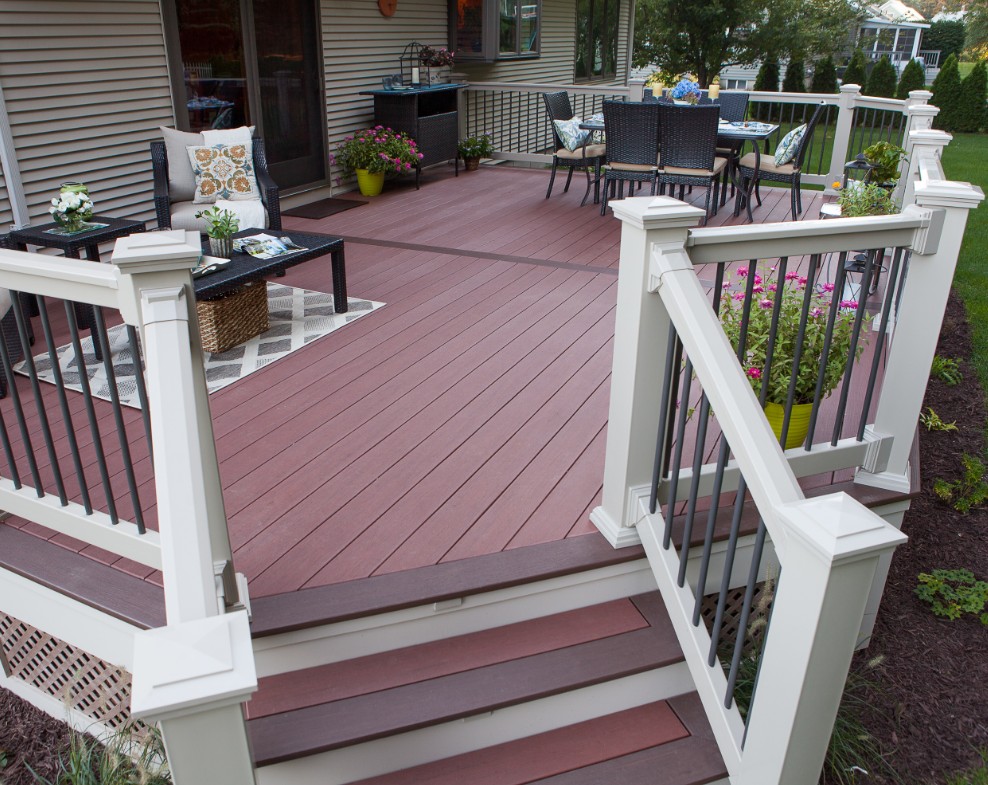
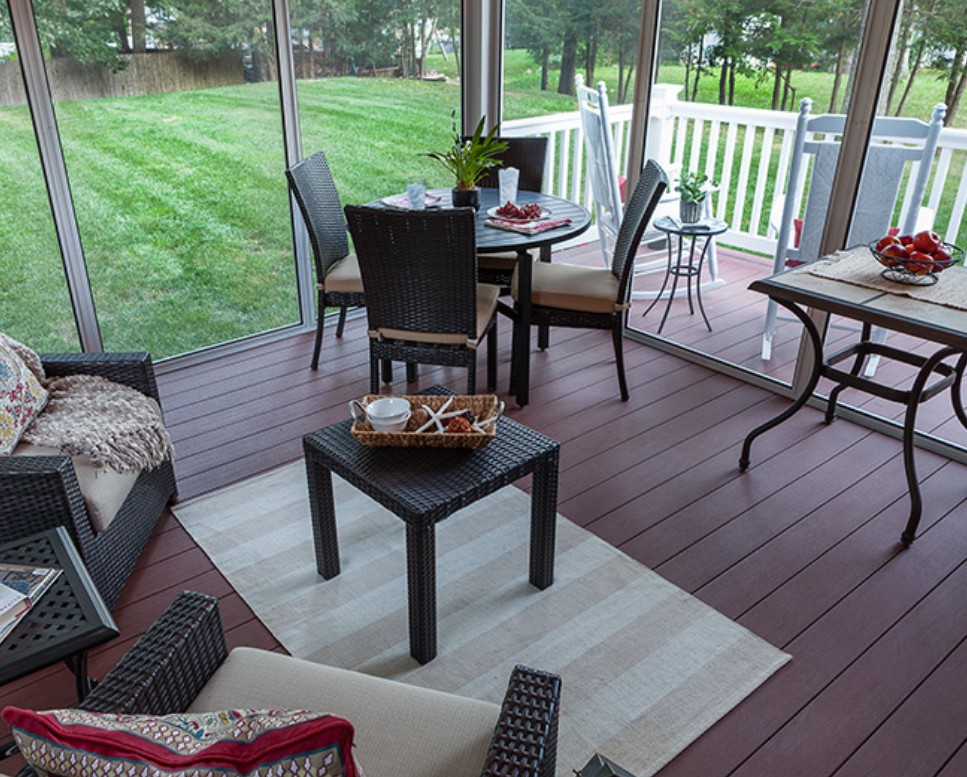
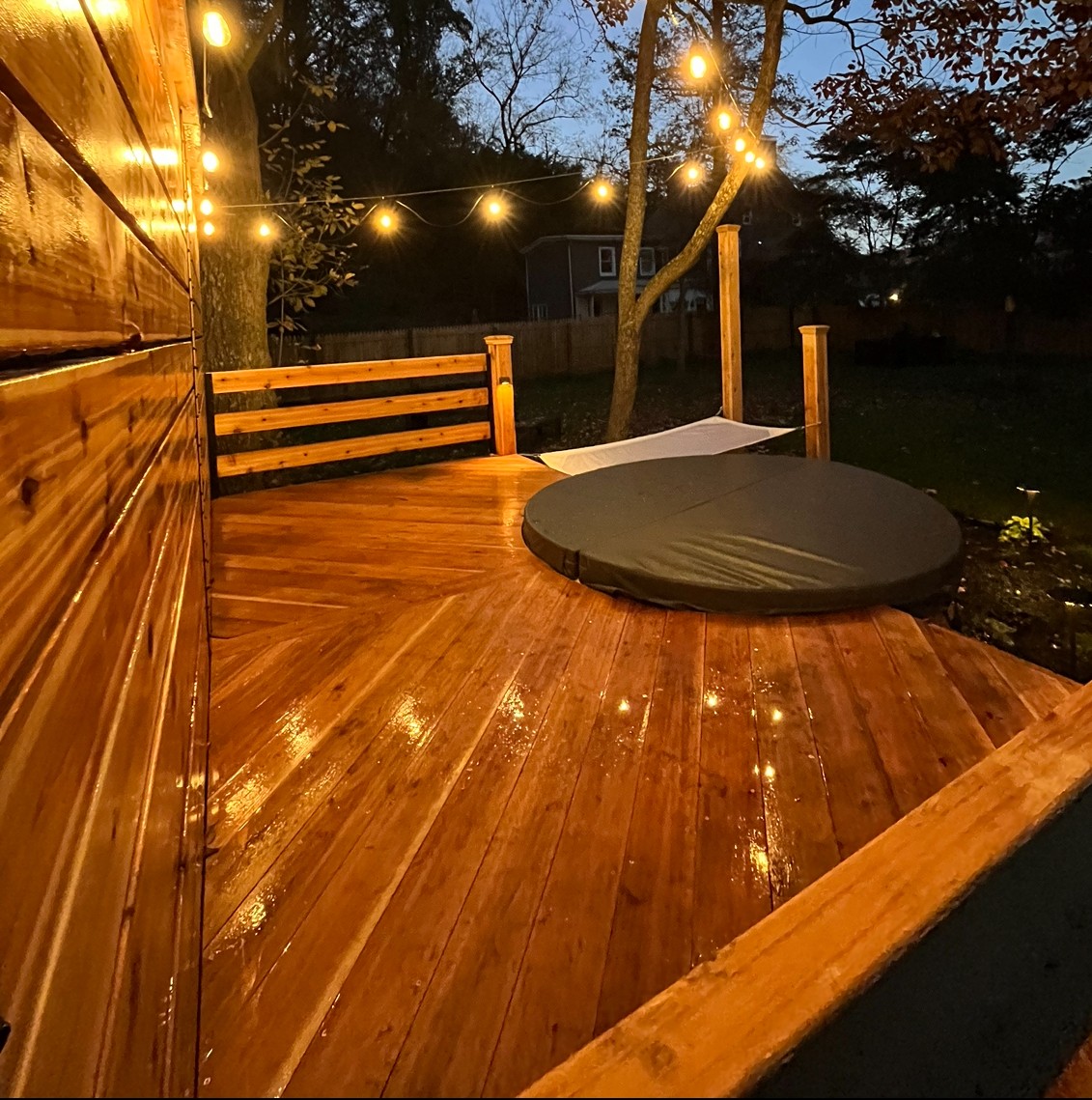
What It's Like Getting Dirty With Us
Turns out, getting dirty is actually a pretty great experience.
We're ready to bring our new deck to life?
Frequently Asked Questions About Wood and Composite Decks
From materials and layout options to maintenance, permits, lighting and construction timelines, homeowners often have important questions before getting started. Below are answers to some of the most common questions we hear during the planning and design process, so you can move forward with greater clarity and confidence.
Will I need a permit for my deck project even if it's ground level?
Yes, there are multiple inspections during the construction of a deck. Inspectors are looking at much more than railings and steps. Each township or city may vary slightly, but inspectors will usually make multiple visits during construction. They’ll want to see the depth of concrete footing holes and locations, framing and the connection between the house and the deck.
How much space can be between the railings and still pass code?
Balusters are typically installed on six inch centers but that varies depending on their size. The space between each cannot exceed four inches.
What is the square footage of the average deck?
There are a lot of things to consider when answering this question. A smart designer will consider things like; how many people live in the home, do you like to entertain or is it just for immediately family, is the deck just to eat outside or for complete outdoor living? We rarely build decks under 400 square feet, and our most common range is between 600 – 800 square feet. Decks can always be added to in the future, but it usually ends up costing more money than it would have if it was all done at once.
Can I have an outdoor kitchen or fireplace on an elevated deck?
You certainly can. The deck just needs to be engineered for the additional weight (load) of those features. Even if you’re not ready include those features at the time of the initial deck construction, it’s always a good idea to engineer the deck structure with those things in mind. That will make construction and permitting on those future projects much easier.