Skip to content

Your Historic Home

Respecting what came before while protecting what stands today. Thoughtful landscape, lighting, drainage, grading and stonework designed to preserve the integrity of your historic property.

Stewards of History

Owning a historic home or farmhouse isn’t just a real estate decision – it’s a mindset.  It’s a quiet respect for craftsmanship that predates us, for stone laid by hand, timber cut generations ago and land that has watched families grow for centuries.  You don’t just live here.  You preserve it, protect it and become part of its unfolding story.

For some, it’s about safeguarding the integrity of the home itself – honoring the architecture, maintaining the masonry, protecting foundations and ensuring that modern improvements never erase historic character.  For others, it’s about the land as much as the house – open fields where children can run, space for gardens or animals, room to breathe and the kind of peace that only comes from distance and quiet.  Whether you cherish the structure, the acreage or both, you understand that ownership is stewardship.

We work with homeowners who see themselves as caretakers of something bigger than today.  Our role is simple: protect what makes your property timeless, strengthen what needs to endure and design improvements that feel like they’ve always belonged – so the next chapter of your home’s history is built with intention, respect and permanence.


Historic properties were built with intention – fieldstone, hand-formed brick, lime-based mortars, old-growth timber and locally quarried stone.  Choosing materials today requires understanding what was originally used, how it ages and how modern substitutes will interact with existing construction.  The goal is not simply to match appearance, but to maintain structural compatibility and visual authenticity.

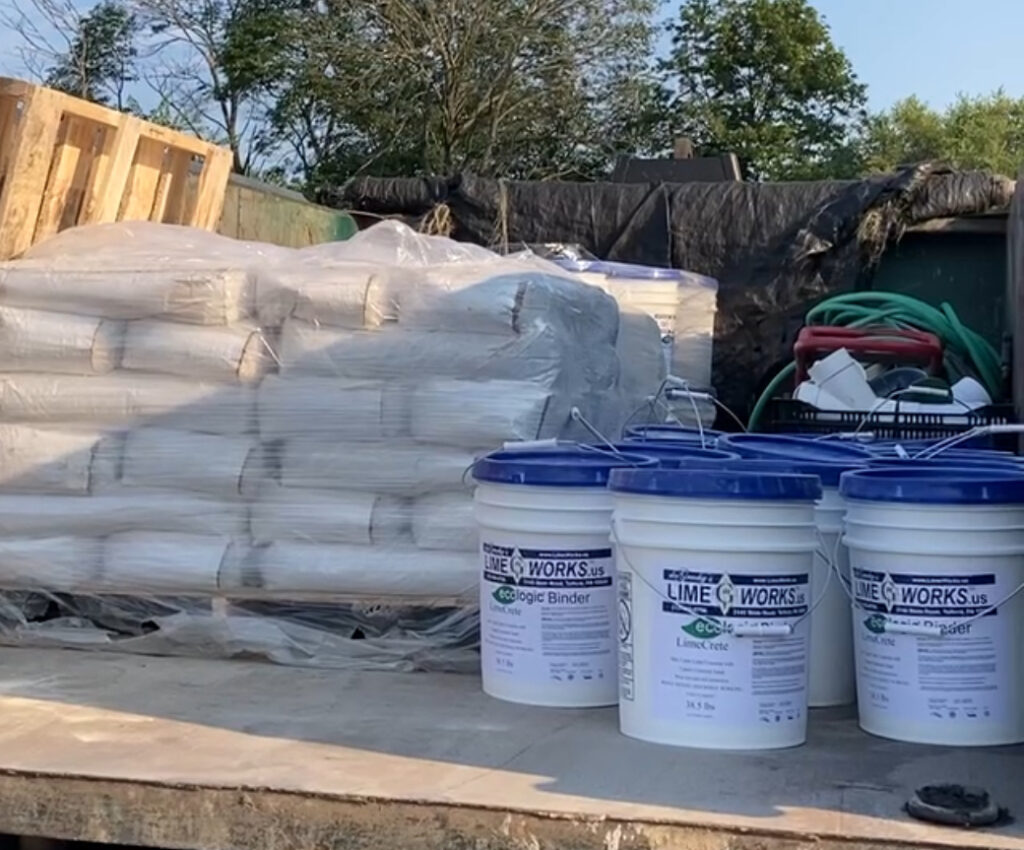
We source materials that align with the period and character of your home, and we work with them in ways that preserve their integrity. Whether repairing fieldstone walls, rebuilding retaining structures or introducing new hardscape elements, materials should feel as though they’ve always belonged — not like a recent addition attempting to imitate the past.  That includes carefully selected historic mortar mixes that remain compatible with original stone and brick, allowing masonry to breathe and age properly rather than trapping moisture or causing long-term deterioration.

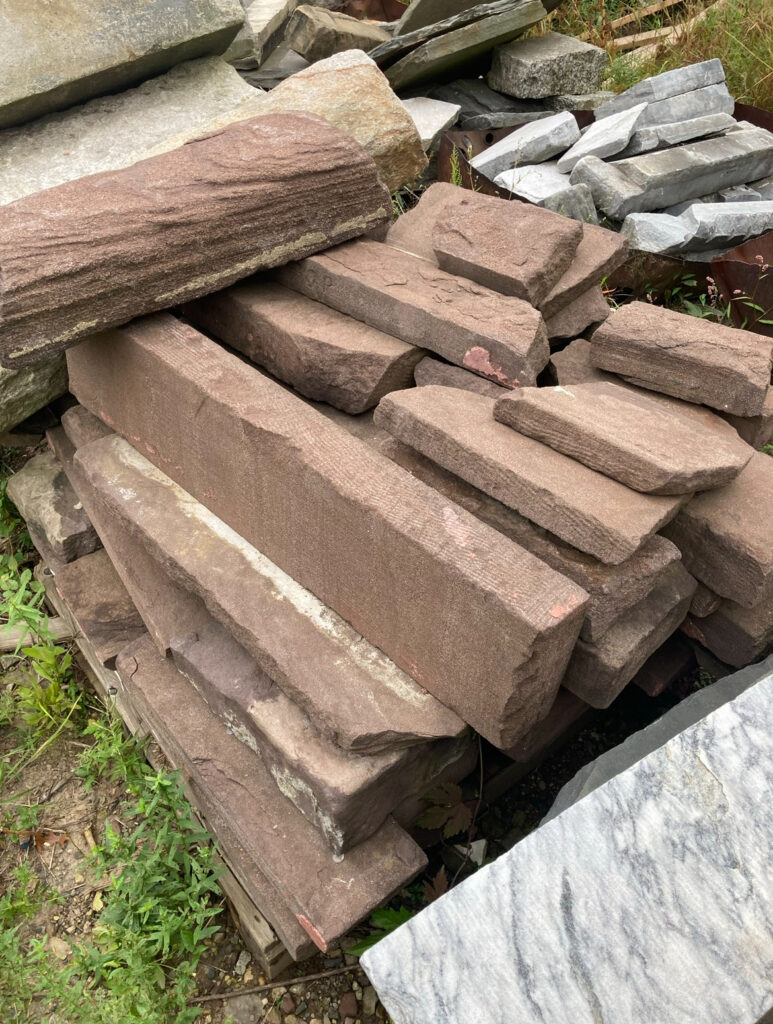
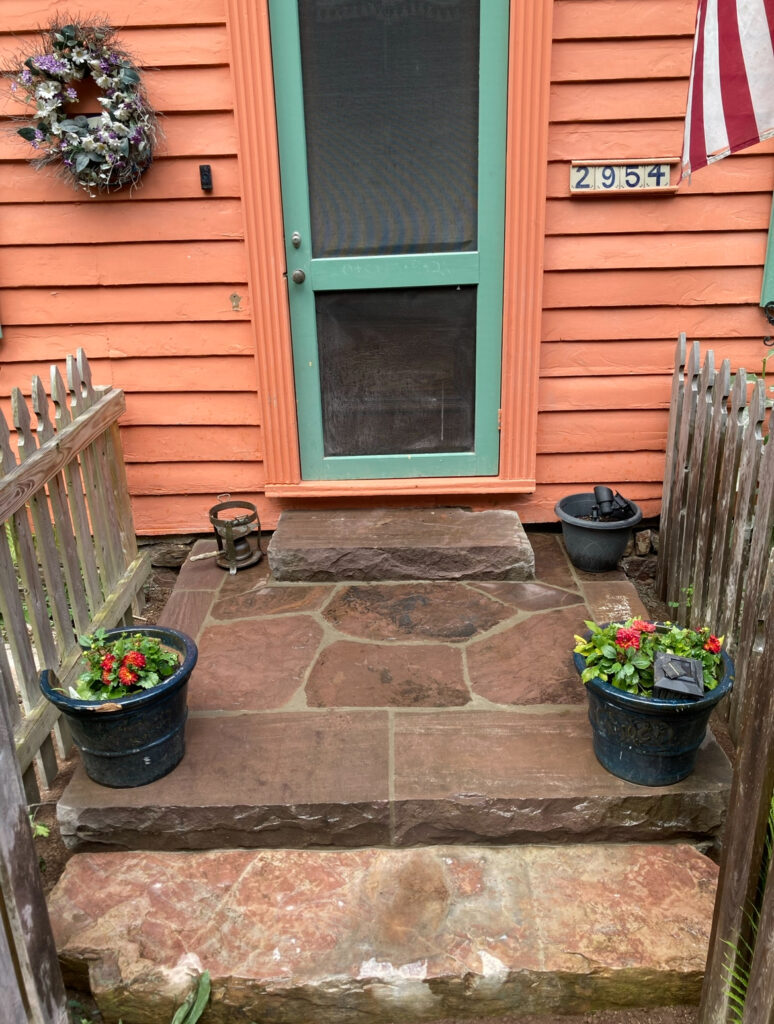
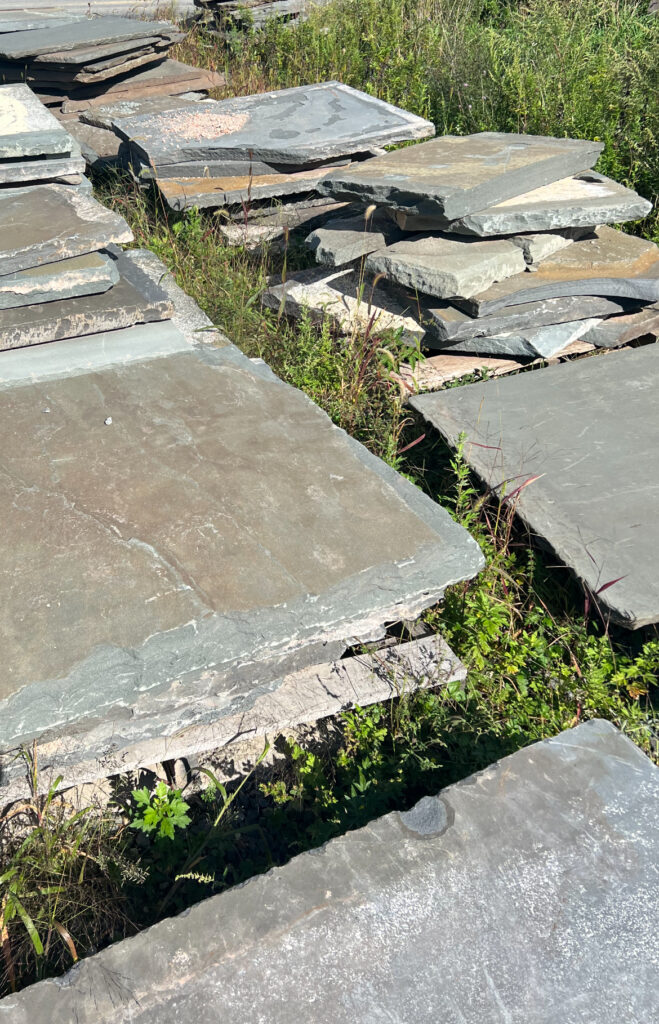
Through long-standing relationships with specialty suppliers across the Mid-Atlantic, we are able to locate and procure reclaimed bluestone, brownstone, clay brick, cobblestone and historic hardwoods such as oak, chestnut, and hickory.  We also work with sources for period-appropriate ornamental metals, fencing and garden structures that complement historic architecture.  This network allows us to integrate materials with genuine history and character – not replicas, but elements that continue the story of your home with authenticity and care.

Selecting materials that respect the era, character, and craftsmanship of your home.

Period - Appropriate Materials

Working on a historic home requires more than modern building techniques. Older properties often conceal irregular foundations, hand-built stonework, deteriorating clay drainage pipes, and grading patterns that have shifted over generations due to settling soil and mature tree root growth. Choosing a contractor who understands these realities means anticipating what may lie beneath the surface before work begins — not reacting to it after excavation has started.

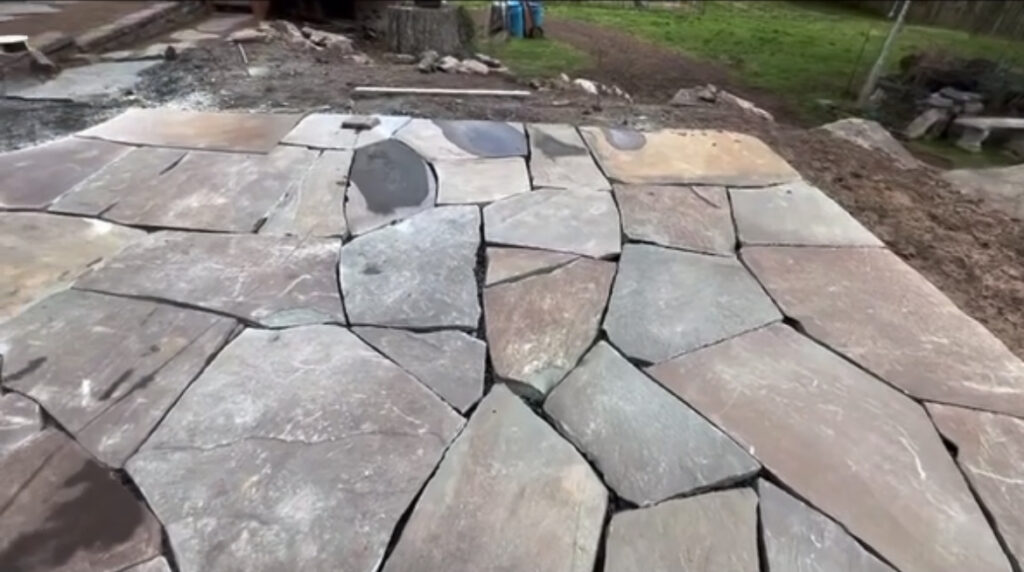
Equally important is knowing when to introduce modern materials and construction methods — and when to remain true to the original approach. Some situations demand updated drainage systems, structural reinforcement, or improved waterproofing to protect the home long-term. Others require restraint, preserving traditional techniques and materials so the character of the property remains intact. Experience allows those decisions to be made deliberately and respectfully, minimizing disruption while strengthening performance. When materials are installed with both historical awareness and modern competence, the result feels seamless, stable, and appropriate to the home’s legacy.

Craftsmanship informed by an understanding of historic construction.

Proven Installation Methods

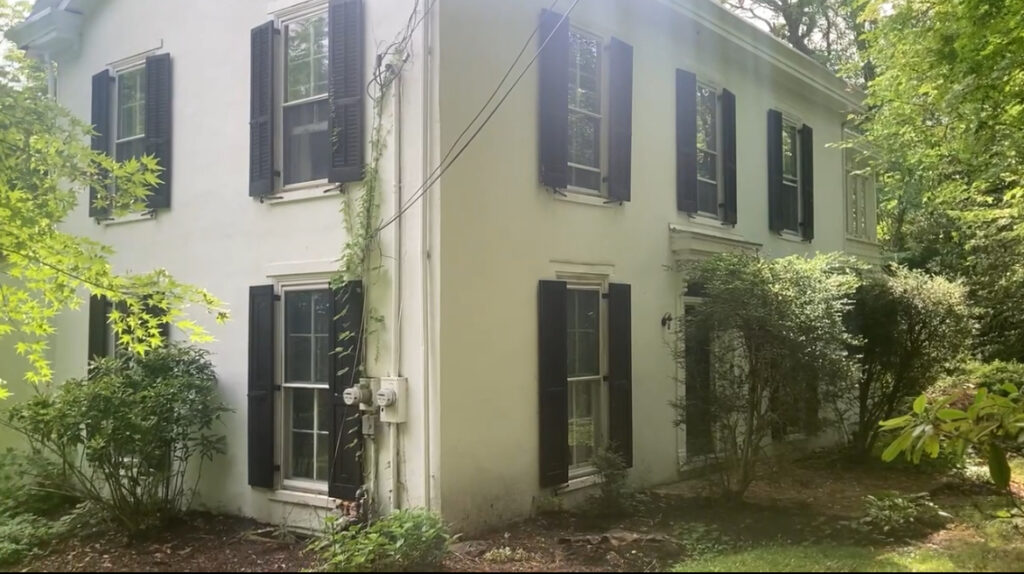
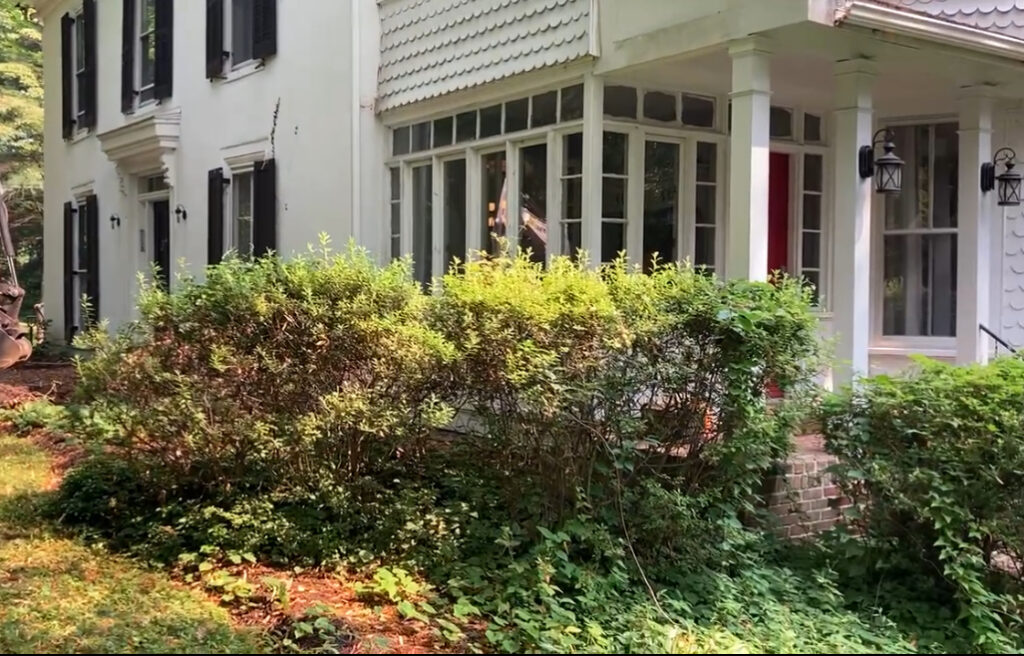
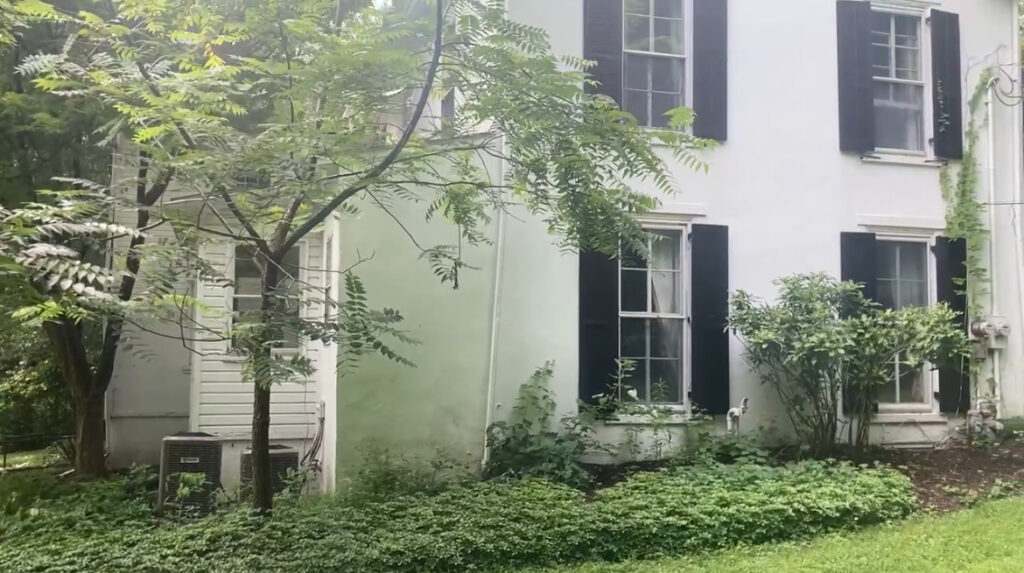
Before

1852 Stone Farmhouse | Chester County, Pennsylvania

The Dirty Details

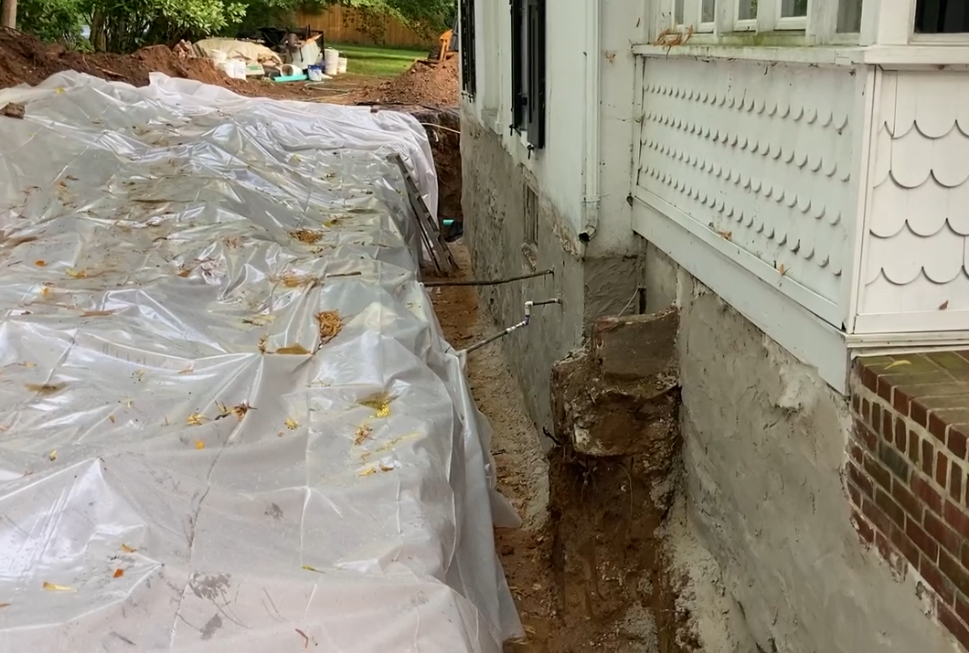
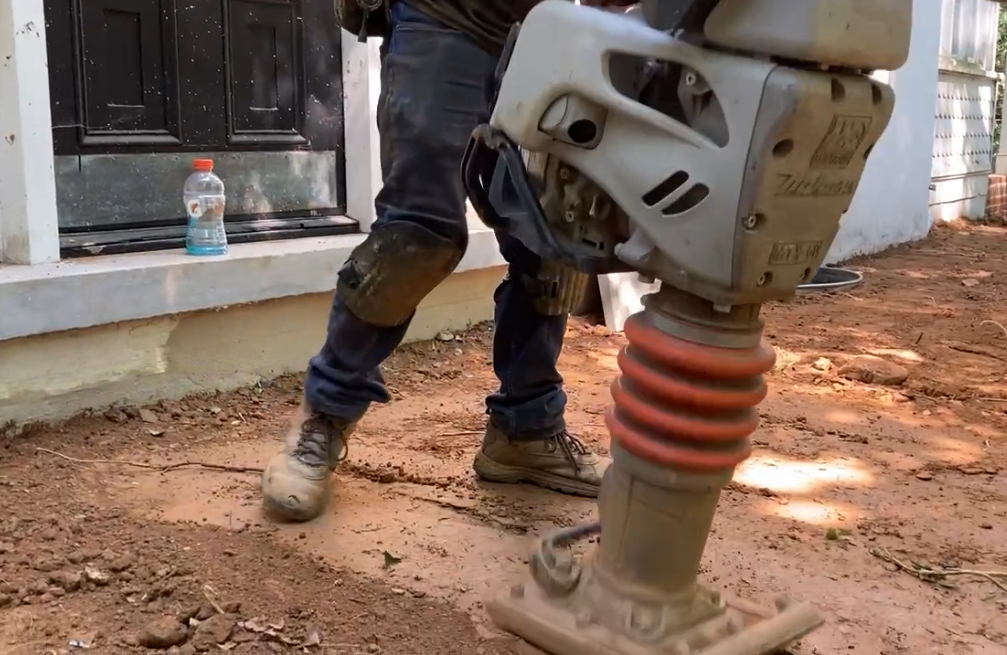
  • 5 week timeline
  • Lots of hand digging
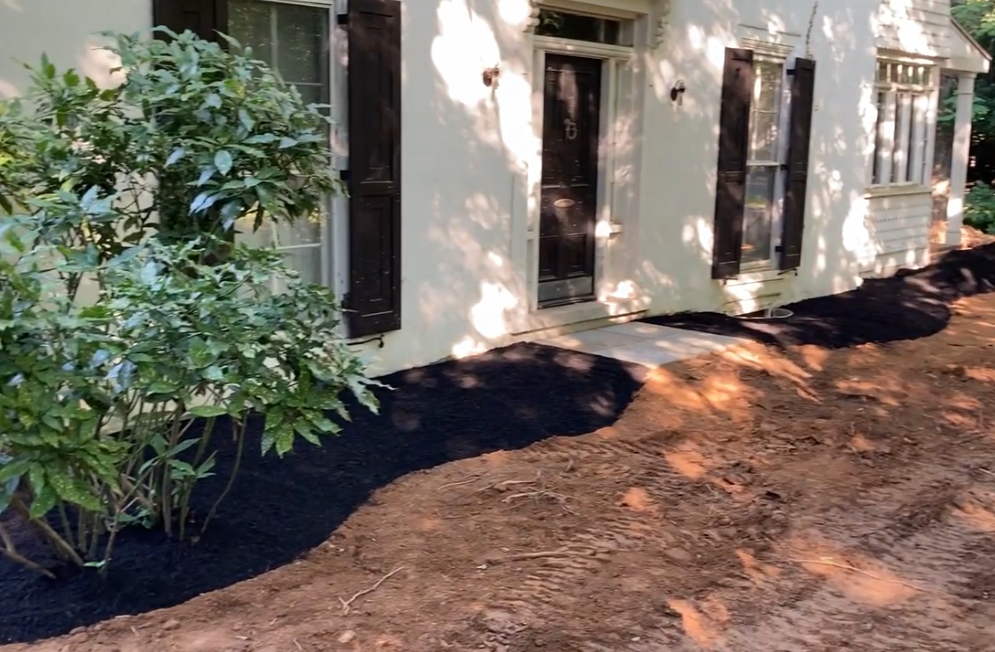
  • Preserved and reused most plants
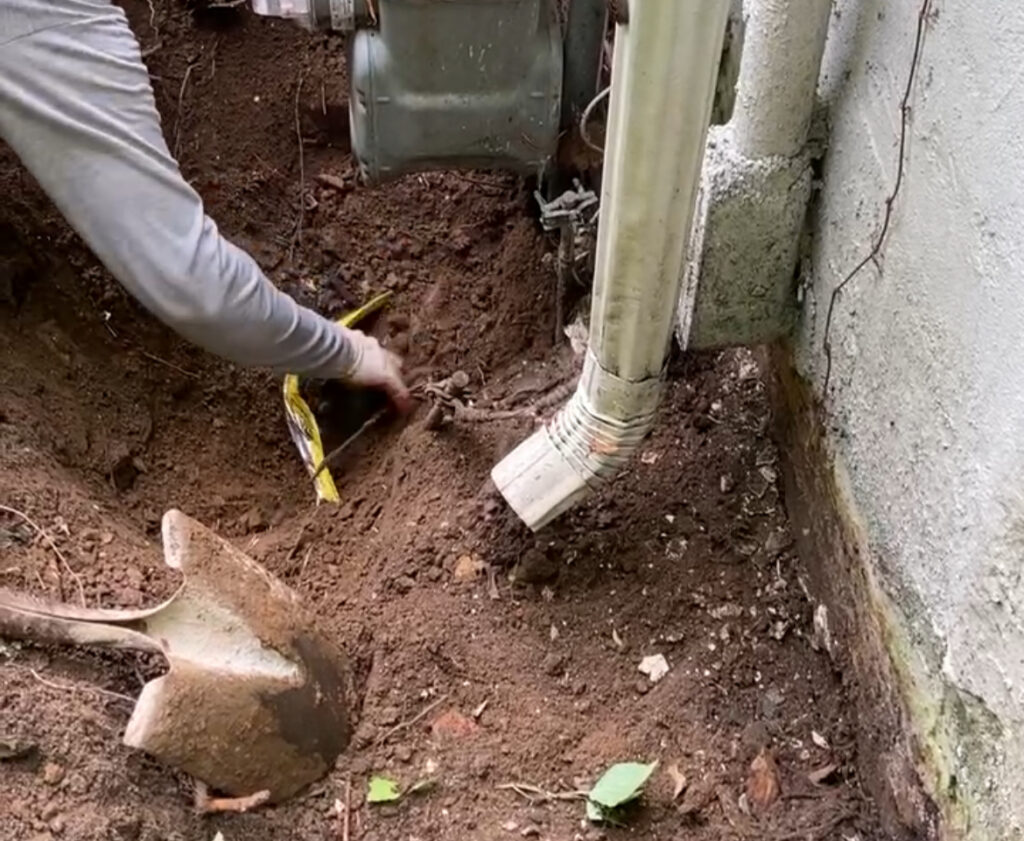
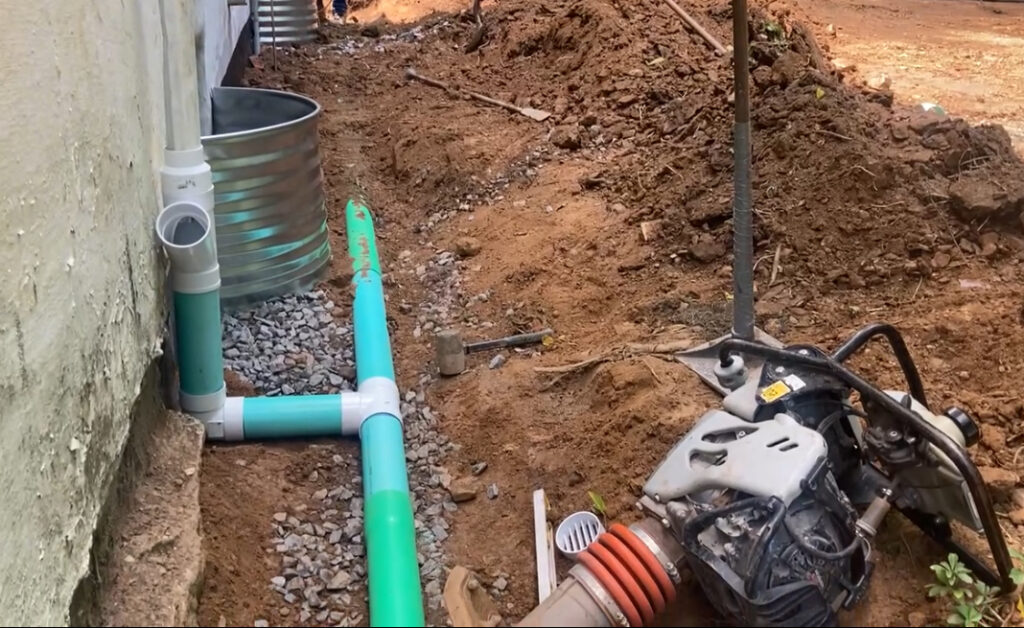
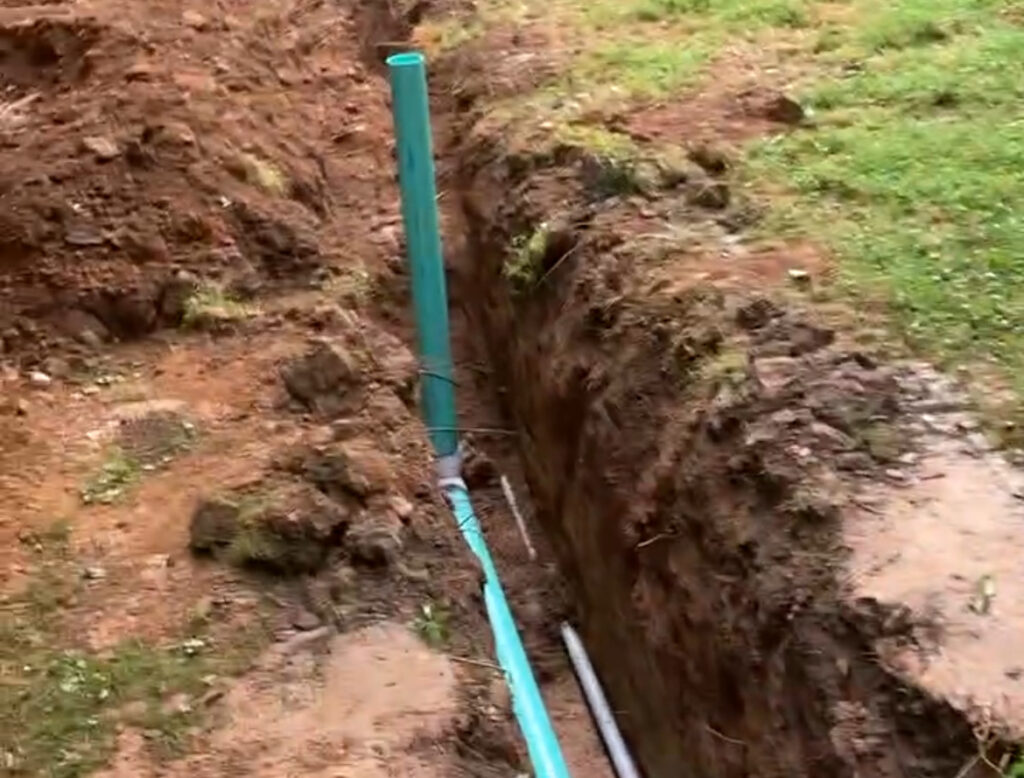
  • Buried all downspouts and drains to a seepage pit
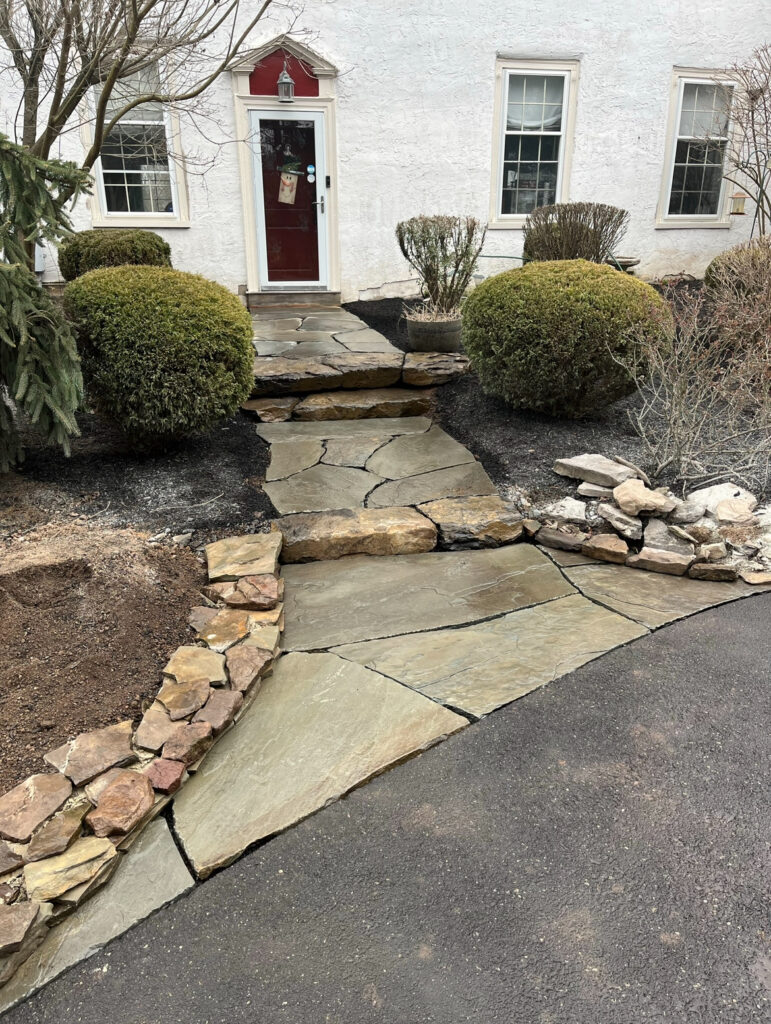
  • Replaced concrete with bluestone landing
  • Installed new swale and regraded front and side yards

Drainage and Foundation Restoration

Built in 1852 by third cousins of Abraham Lincoln, this historic stone farmhouse carries a legacy far beyond its walls.  A small sub-basement room – nearly eight feet deeper than the main cellar – has long suggested the home may have served as a stop on the Underground Railroad.  Preserving the integrity of the structure was a top priority as the homeowners prepared for a complete restoration.

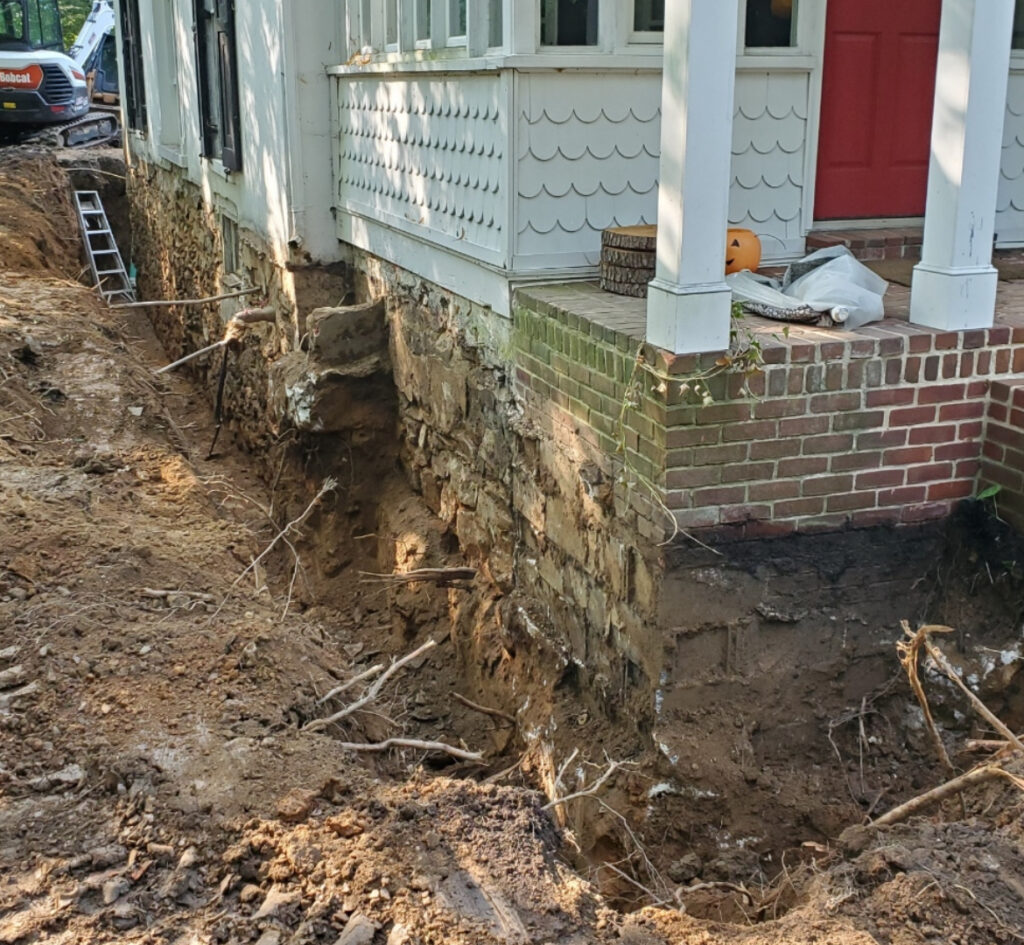
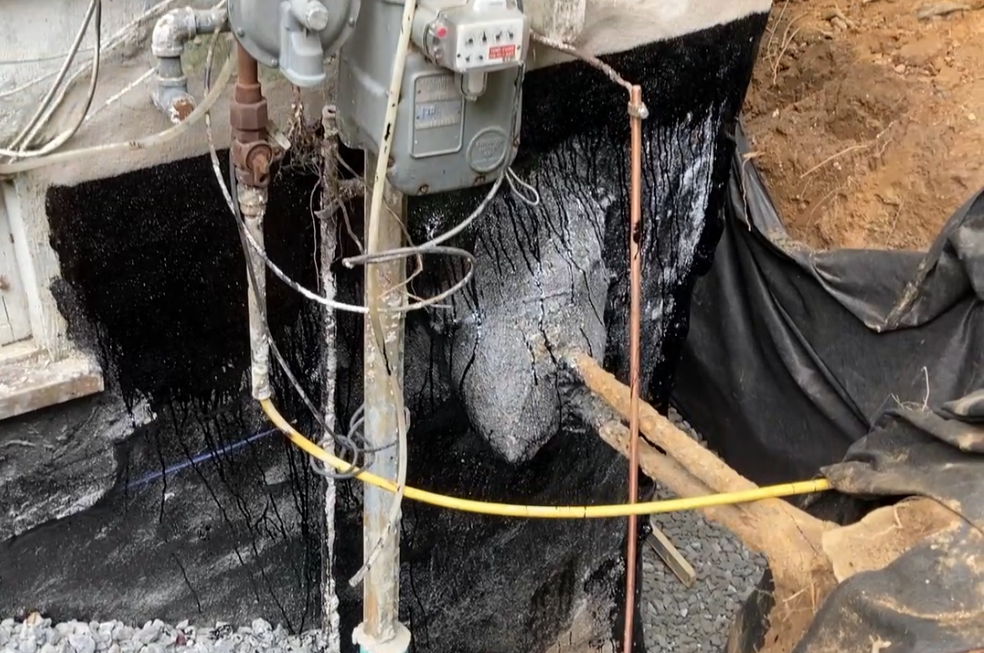
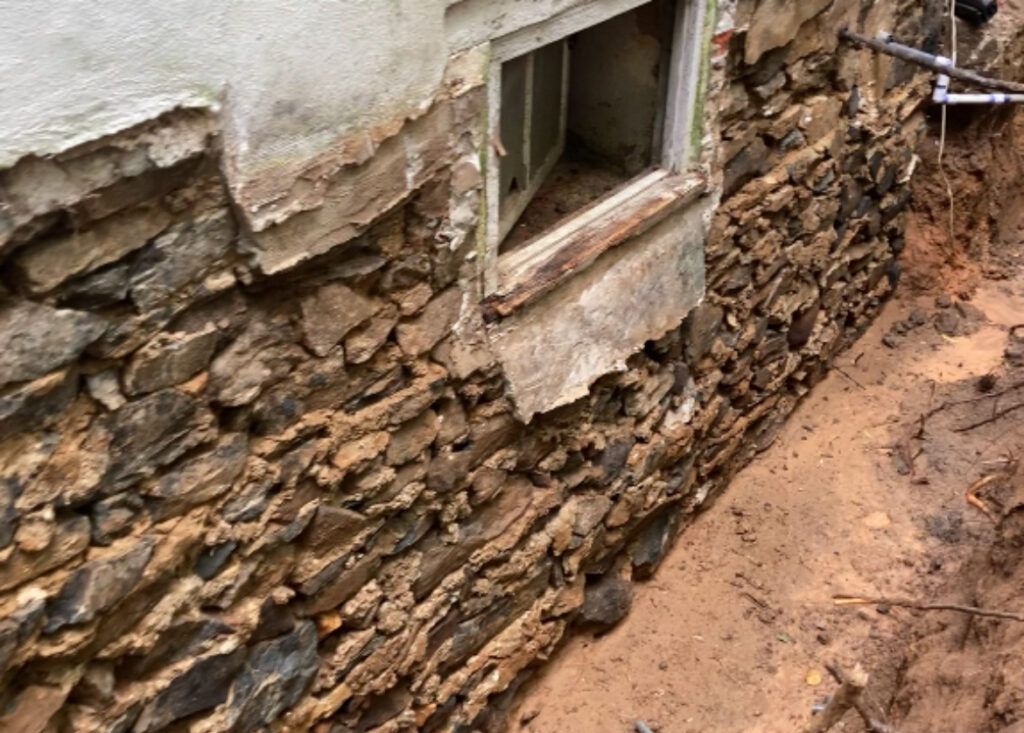
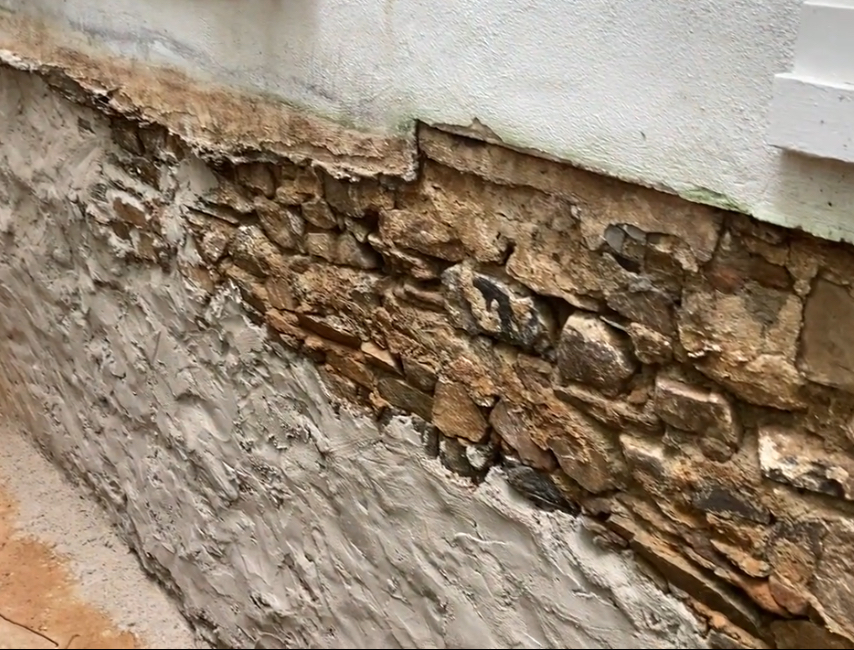
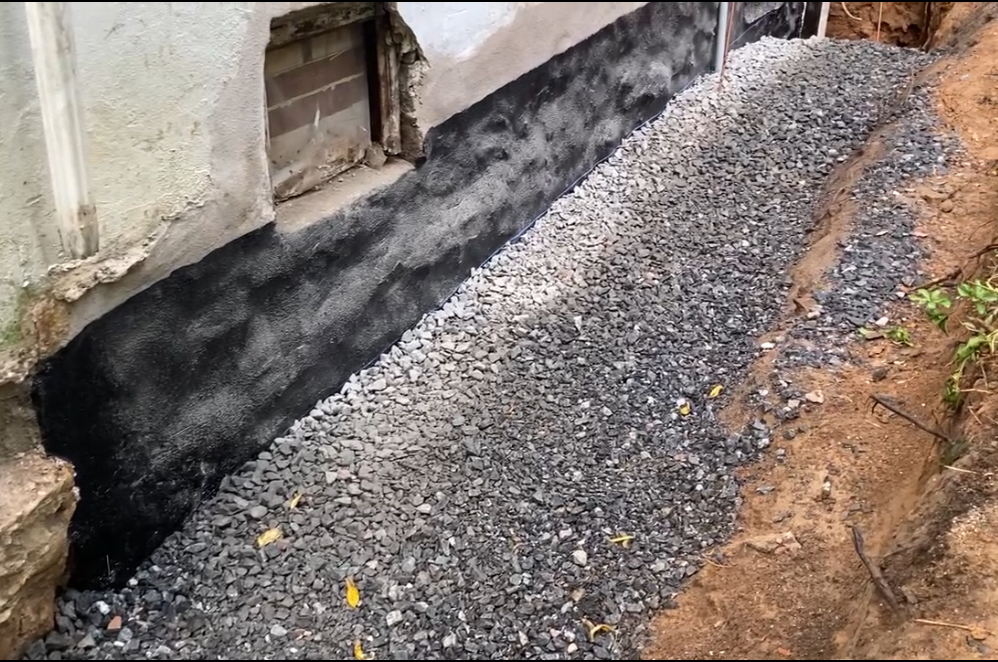
Before interior construction could begin, heavy rainstorms were sending significant water into portions of the basement.  Decades of mortar joint deterioration and shifting grade changes had compromised the foundation’s ability to keep water out.  The solution required thoughtful excavation, historically appropriate materials, and proper drainage design to ensure the home was stabilized the right way — without disturbing its character.

Over five weeks, we carefully repaired the stone walls and  restored proper water management around the home, protecting both the structure and its story for generations to come.

Restoring and protecting a historic property isn’t ordinary work.  It requires understanding, patience, and experience.

What It's Like Getting Dirty With Us

Turns out, getting dirty is actually a pretty great experience. 

Your Project Deserves a Better Experience

Frequently Asked Questions About Historic Property Projects

From drainage correction and foundation protection to stone restoration and grading, every decision must balance preservation with long-term performance.  Our approach is rooted in understanding how these properties were built and how they have aged over time.  The goal is simple: protect what makes your home historic while strengthening it for the future.

How do I know if my historic home has a drainage problem?

Water intrusion, damp basement walls, musty odors, or visible erosion around the foundation are common indicators.  On older homes, broken clay pipes, deteriorating mortar joints, shifting grades and decades of tree root growth often contribute to water migration and penetration. 

Yes – when designed thoughtfully.  Modern drainage solutions such as buried downspouts, French drains, and seepage pits can be integrated discreetly and installed in a way that preserves existing stonework, landscaping, and architectural features.  The key is knowing when to introduce updated systems and how to do so without disrupting the integrity of the home.

In most cases, preservation is preferred.  Historic stone walls and foundations were built with materials and mortar mixes that behave differently than modern substitutes.  When possible, we repair and repoint using compatible mortar and reclaimed materials to maintain both structural integrity and historic authenticity.  Replacement is typically reserved for areas that are structurally compromised beyond repair.

Historic properties often conceal irregular foundations, aging drainage infrastructure, and construction methods that predate modern standards.  Excavation and grading must be approached carefully to avoid unintended damage.  Experience with older homes helps anticipate what may lie beneath the surface, allowing improvements to be made deliberately and respectfully rather than reactively.